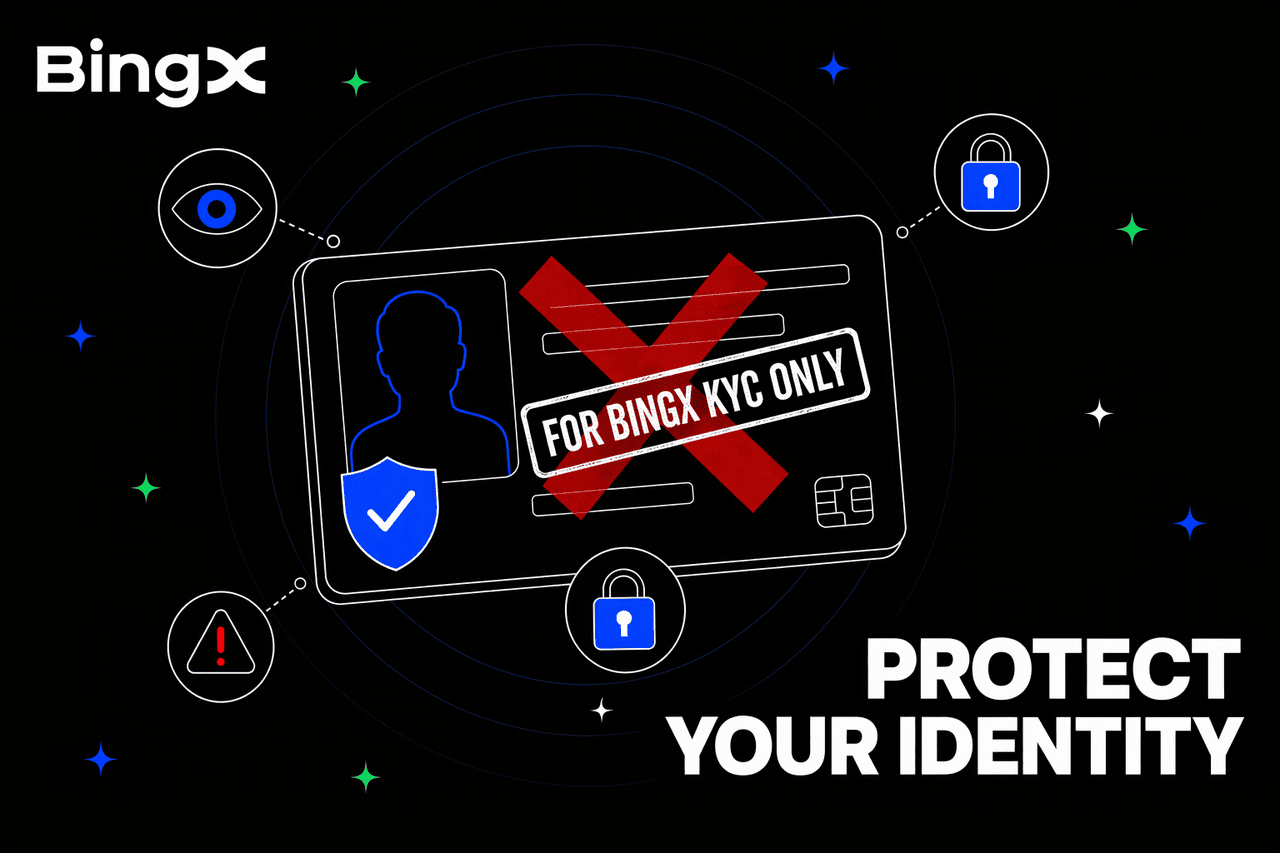
Identity theft is a growing concern in cryptocurrency trading, where scammers use fake identity verification pages, impersonated customer support, and personal-data leaks to collect sensitive information. Stolen ID photos, selfies, and personal details may be used to open fraudulent accounts, apply for loans, or be sold through illegal marketplaces on the dark web, sometimes without the victim's knowledge.
Learn how to recognize the most common ways identity documents get stolen in crypto, including fake Know Your Customer (KYC) pages, impersonated support staff, and leaked personal information. Explore why legitimate KYC matters, how to distinguish official verification from fraudulent requests, simple habits to protect your documents, and what to do if your identity has already been exposed.
Why Is KYC Important for Identity Protection in Crypto?
Identity verification, also known as Know Your Customer (KYC), is essential for anti-money-laundering (AML) compliance and account security. It helps crypto platforms verify identities, detect suspicious transactions, cooperate with law enforcement, and investigate compromised accounts. In the U.S., applicable crypto businesses must follow anti-money-laundering requirements, while the EU expanded crypto transfer rules in December 2024 to strengthen transparency and prevent financial crime.
Legitimate KYC supports compliance and account security, but scammers may imitate official verification procedures to steal ID photos, selfies, and sensitive documents. Recognizing the difference between legitimate KYC and fraudulent requests can help protect your personal information.
What Are the 4 Most Common Identity Theft Scams in Crypto?
- Fake KYC pages: Scammers create counterfeit verification websites to collect ID photos, selfies, and facial verification videos. Stolen documents may later be used to open accounts, apply for loans, or impersonate victims.
- Impersonated support: Fraudsters posing as customer service ask users to "verify their identity" or "claim a reward" by sending ID photos and selfies through private messages. Legitimate BingX verification takes place through official channels, not unsolicited support chats.
- Document misuse: ID photos shared with suspicious websites or individuals may be copied, resold, or used to register accounts on other platforms, often without the victim's knowledge.
- Personal-data leaks: Phishing surveys, fake platform research polls, and data breaches can expose sensitive information. Scammers may combine leaked records with stolen documents to commit identity fraud or sell them on illegal marketplaces.
Read More: Phishing Scams: How to Spot Fake Websites, Emails, and Support Requests
How to Verify Official BingX KYC Procedures: 3 Essential Checks
Scammers often imitate official identity verification procedures to trick users into sharing personal documents. Understanding how BingX KYC works can help users identify fraudulent requests and protect their information. Three key checks include:
- Use official BingX verification channels: Complete KYC through the official BingX website or app. Never send ID photos or selfies to someone claiming to be customer support through Telegram, social media, or private messages.
- Know what KYC requires: Legitimate verification may involve ID documents, selfies, or facial verification, but BingX support will never ask for passwords, wallet recovery phrases, or verification codes through private messages.
- Verify unexpected KYC notifications: Be cautious of messages such as "KYC failed, resubmit immediately." Instead of clicking suspicious links, check your verification status through the official BingX website or app. Follow the official BingX KYC guide for the correct process.
You can also use BingX Verify to confirm official websites, email addresses, phone numbers, and social media accounts before responding to suspicious verification requests.
4 Simple Habits to Protect Your Identity Documents
Protecting your identity starts with knowing where and how personal documents are shared. Scammers may exploit unnecessary document requests or exposed personal information, making these four security habits important:
- Add watermarks when appropriate: When sharing ID copies outside official KYC procedures, consider adding a watermark such as "For [recipient] verification only" if permitted. This helps clarify the intended use but cannot prevent all misuse. For BingX KYC, follow official requirements and submit clear, unaltered documents when required.
- Send your ID only through official channels: Never share ID photos or selfies with unfamiliar support agents, brokers, or OTC traders through private messages. Always verify who is requesting your documents and why they are needed.
- Review your privacy settings: Limit personal information shared on social media, messaging apps, and public profiles. Disable unnecessary promotional messages where available, and avoid suspicious surveys or requests for sensitive documents.
- Follow BingX security practices: BingX support will never request passwords or verification codes through private messages. BingX processes identity information for verification, compliance, and account security under applicable privacy policies. Always use official channels and review privacy information before submitting documents.
What to Do If Your Identity Documents Have Already Been Leaked
If your ID photos, selfies, or personal information have been exposed through a suspicious website, private message, or data breach, act quickly to prevent further misuse. Stolen documents may be used for identity fraud long after the initial exposure, even without immediate financial losses.
- Secure affected accounts and report the exposure: If the incident involves BingX, contact BingX Support through official channels. Change compromised passwords, review security settings, and contact other affected platforms if necessary.
- Keep a record of the incident: Document what information was shared, when it was sent, and who received it. Save suspicious links, messages, screenshots, and evidence of unauthorized use to support investigations.
- Check for unfamiliar accounts or loans: Monitor financial accounts and available credit records for suspicious activity. If someone has opened an account or applied for credit using your identity, contact the relevant financial institution promptly.
- Report identity theft to authorities: File a report with local law enforcement or an appropriate identity theft authority. Contact relevant credit bureaus or regulators to request fraud alerts, credit freezes, or other protective measures where available.
ontinue monitoring your accounts, as identity misuse may not become apparent immediately. Before sharing documents in the future, verify the source and purpose of the request. For additional protection, explore the BingX Account Security in BingX Academy to learn more about securing your account and recognizing security threats. Avoid services promising guaranteed removal of personal information from the dark web.
Read More: Account Security: How to Protect Your Login Password and Account
Risk Reminder: Identity-document theft and personal-data leaks can lead to identity fraud, unauthorized accounts, and financial losses. Security measures cannot guarantee complete protection. Crypto trading also involves volatility and potential loss of principal. This article is for security education only, not investment advice. Always verify official channels and contact BingX Support for account-related concerns.
