Zora Attention Markets represent a groundbreaking innovation that merges speculation with online culture. Launched on February 17, 2026, this platform enables users to bet on the virality of social trends, memes, hashtags, and topics, transforming ephemeral internet phenomena into tradable assets.
Built on the Solana blockchain, Zora's attention markets cater to traders seeking to capitalize on cultural shifts, offering a novel way to engage with SocialFi, the intersection of social networking and finance. As prediction markets surge in popularity, surpassing $10 billion in monthly trading volume, Zora positions itself as a pioneer in tokenizing attention, allowing participants to profit from what's trending before it peaks.
What are Zora Attention Markets?

Source: Zora
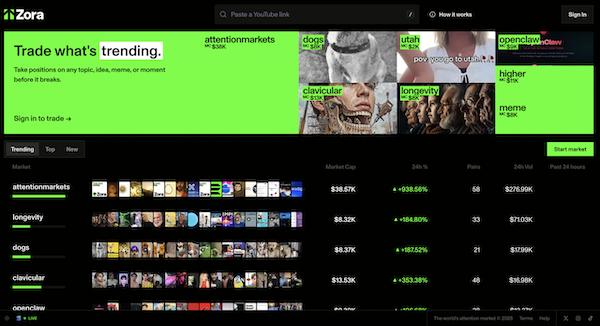
Zora Attention Markets is a decentralized platform launched on February 17, 2026, that allows users to speculate on the popularity of online trends, buzzwords, hashtags, and cultural moments. Described by the platform as a way to "trade what's trending" and "take positions on any topic, idea, meme, or moment before it breaks," it enables traders to buy and sell tokens tied to these elements, effectively betting on whether they will gain or lose traction across social media.
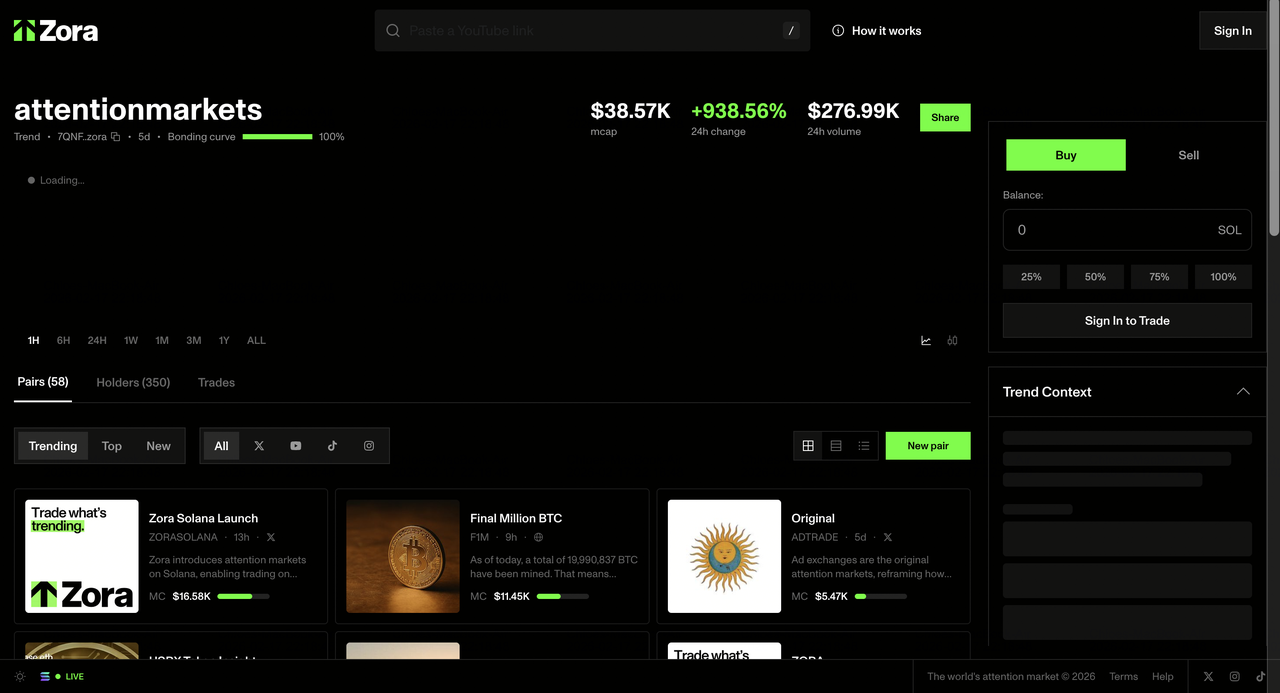
The system operates like a prediction market but focuses specifically on social virality rather than traditional events. Early activity includes trending tickers such as "attentionmarkets," "longevity," "cats," "dogs," "bitcoin," and "aigirlfriend," with some showing dramatic percentage gains despite modest initial volumes. This launch coincides with Zora's strategic expansion to Solana, marking a shift from its Ethereum and Base roots to leverage faster, cheaper transactions for real-time trading.
What Are the Key Features and Utilities of Zora Attention Markets?

Zora Attention Markets boast several key features designed to facilitate seamless speculation on social trends. Users can deploy a "Trend" for a fee of 1 Solana (SOL), approximately $85 at launch, to discourage spam, with no creator rewards attached to Trends themselves. However, "Pairs" created under a Trend do offer incentives for creators, encouraging the formation of interconnected markets around themes like longevity, exemplified by pairs such as $redlight and $coldplunge.
The platform allows trading of these Trends and Pairs as standard tokens, complete with a real-time dashboard for tracking profits and losses, enabling users to enter or exit positions at any time. Utilities extend to adding related links to markets, fostering liquidity and volatility as more participants engage. Overall, it serves as a tool for tokenizing attention, turning cultural momentum into measurable, tradable data while integrating with Solana's ecosystem for efficient, low-cost operations.
Who Created Zora Attention Markets and What Is Zora?

Zora Attention Markets were created by the team behind Zora, a decentralized SocialFi platform co-founded by Jacob Horne, who serves as CEO and Tyson Battistella in 2020. Horne is an Australian entrepreneur with a background at Coinbase where he contributed to projects like USDC, established Zora in 2020 to explore crypto-native coordination in media and creativity. Zora itself is a blockchain-based social network that tokenizes content, allowing every post or piece of media to become an investible asset. Initially focused on NFTs and creator tools on Ethereum and its Layer-2 network Base, Zora has evolved into a hub for blending finance with internet culture, including experiments like creator coins that enable speculation on individual profiles and posts. The platform emphasizes markets over algorithms for valuing information, drawing from the idea that "information wants to be free but also wants to be expensive." Under Horne's leadership, Zora continues to innovate, recently posting a job for an "Attention Economist" to track emerging trends across platforms like TikTok, Instagram, YouTube, and X.
What sets Zora apart is its groundbreaking approach to content tokenization. Through its “coins” feature, every post on Zora becomes an ERC-20 token with a supply of 1 billion coins. Creators automatically receive 10 million coins upon posting and earn a share of fees from trades executed via automatically created Uniswap liquidity pools. This model allows creators to directly capture the value generated by their work rather than relying on platform middlemen.
How Does Zora Bring Attention Markets to Solana?
Zora brings Attention Markets to Solana by natively integrating the platform onto the blockchain, capitalizing on Solana's high throughput, low transaction fees, and rapid settlement times to support high-frequency trading of trends. This move, announced on February 17, 2026, represents a pivot from Zora's previous heavy reliance on Ethereum's Base Layer-2, where it launched its first token and creator coins.
By listing the ZORA token on Solana in January 2026 and updating its profile to reflect a Solana focus, Zora enhances liquidity and accessibility for retail traders speculating on social virality. The architecture allows for real-time price updates and position management, making it ideal for volatile, attention-driven markets. Despite backlash from the Base community for perceived abandonment, Zora maintains that its creator tools remain operational on Base, positioning the Solana expansion as an experiment to grow the overall on-chain ecosystem while tapping into Solana's strengths for SocialFi applications.
How Does Zora Compare to Polymarket and Other SocialFi Projects?

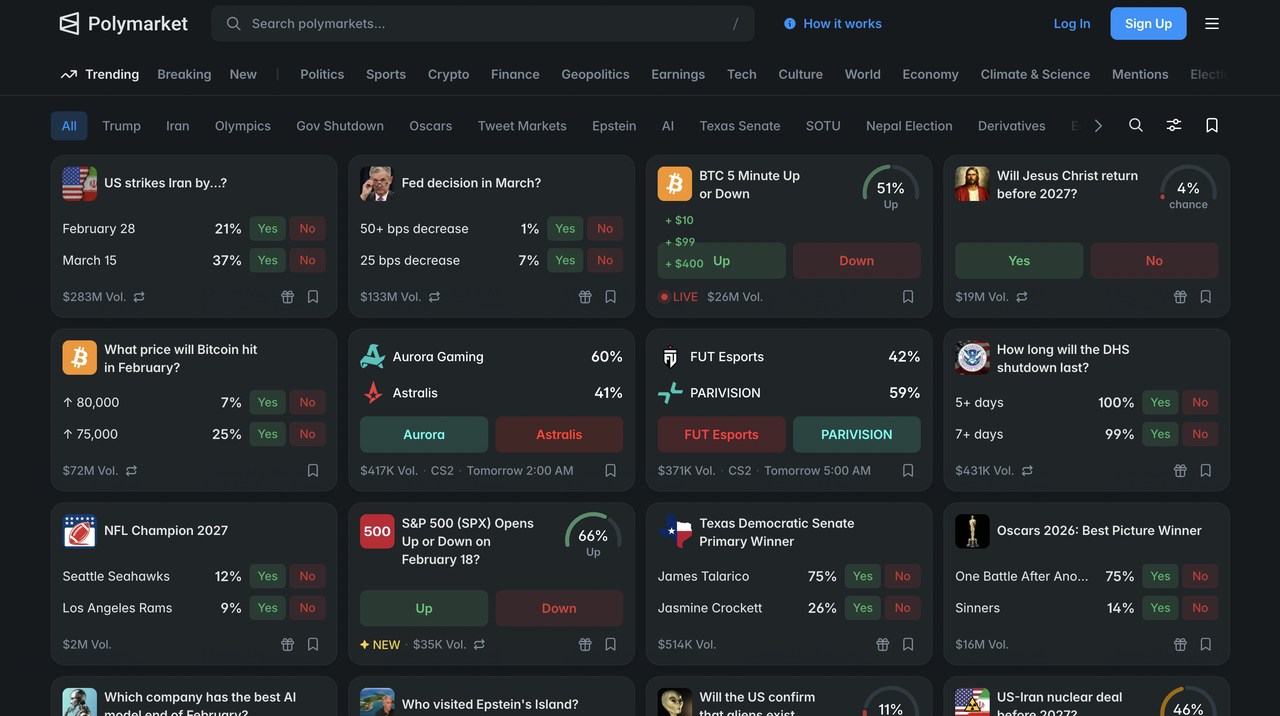
The SocialFi arena is heating up with increasing competition from platforms blending social media with financial speculation, where Zora Attention Markets stand out for their focus on trend-based trading. Key rivals include Noise, a Base-based project that recently raised $7.1 million in seed funding from Paradigm to develop similar attention-tokenizing tools, and Polymarket, a leading prediction market platform that is partnering with Kaito to introduce its own variation of attention markets.
Compared to Polymarket, which primarily facilitates bets on real-world events like politics and economics with structured outcomes and high volumes exceeding $10 billion monthly, Zora differentiates itself by emphasizing unstructured social trends, memes, and cultural moments without fixed resolutions. This makes Zora more experimental and high-risk, with thinner initial liquidity but greater potential for viral upside in niche internet phenomena. While Polymarket appeals to mainstream audiences with data-driven predictions, Zora targets crypto-native users interested in tokenizing ephemeral online attention, potentially carving a unique niche amid growing investor interest in SocialFi.
How to Buy Zora on BingX: Step-By-Step Guide
Whether you are buying $ZORA during pullbacks, trading short-term volatility, or following market trends, BingX offers multiple ways to execute your strategy. With BingX AI integrated directly into the trading interface, you can access real-time insights that help you make smarter decisions across both spot and futures markets.
1. How to Spot Trade Zora on BingX

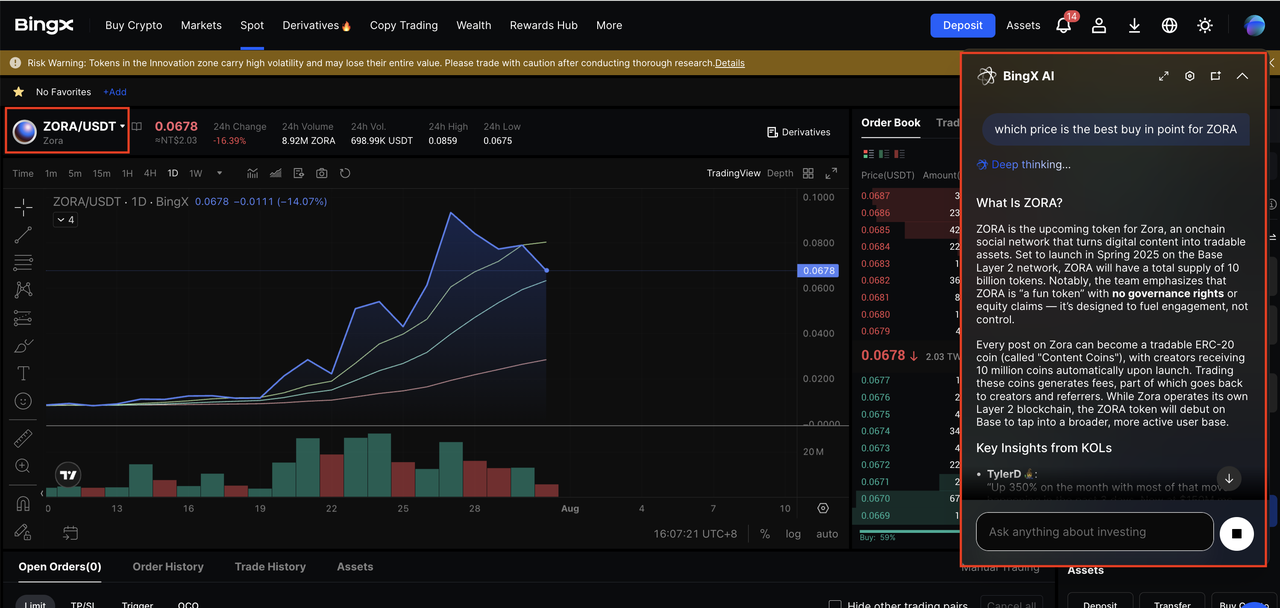
Step 1: Go to the BingX spot market and search for ZORA/USDT.
Step 2: On the trading chart, click the AI icon to activate BingX AI.
Step 3: The tool will analyze price action, highlight key support and resistance levels, and detect patterns such as breakouts or reversals.
For example, if $ZORA is trading around $0.10 but BingX AI identifies a strong support zone at $0.095, you might set a limit order near that level rather than chasing a price spike.
2. How to Trade Zora Futures on BingX

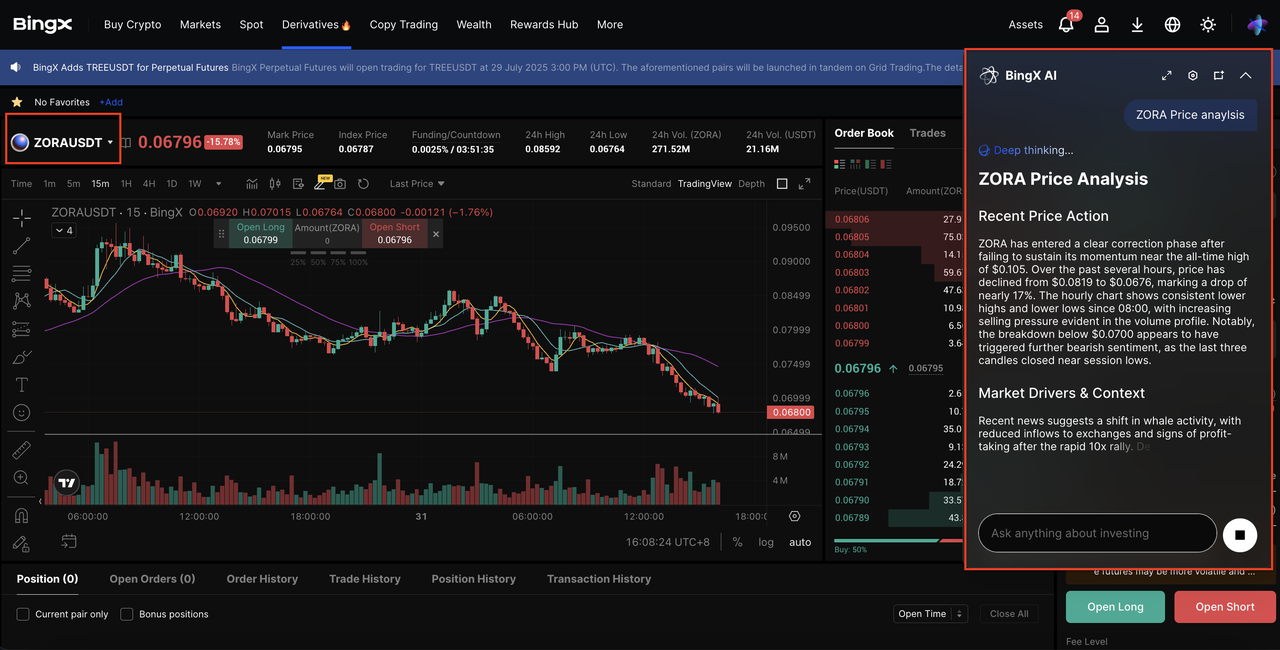
Step 1: Search for ZORA/USDT Perpetual in the Futures section.
Step 2: Use the AI icon on the chart to access advanced market intelligence.
Step 3: BingX AI will help you track trend strength, momentum shifts, and volatility levels so you can better time your entries and exits.
You can also ask BingX AI to analyze your open position, suggesting adjustments to take-profit targets or tighter stop-loss levels to manage risk effectively.
Conclusion
Zora Attention Markets herald a new era in SocialFi, where betting on social trends becomes as accessible as trading tokens, democratizing speculation on internet culture. By launching on Solana, Zora not only addresses scalability challenges but also invites broader participation in tokenizing attention, despite mixed community reactions and emerging competition. As the platform matures, with tools like real-time dashboards and creator incentives, it could redefine how we value and trade viral moments. For investors and trend-watchers alike, Zora offers an exciting, albeit speculative, gateway to the future of decentralized social finance, potentially driving further innovation in the crypto space.