Trading platforms are becoming less defined by a single asset class. CoinGecko found that TradFi trading volume across major crypto exchanges reached $1.45 trillion in the first half of 2026, about 10 times the volume recorded in all of 2025, while open interest in TradFi perpetuals climbed from $60 million at the start of 2025 to $4.67 billion by June 2026. At the same time, traditional finance has moved deeper into digital assets, with BlackRock's spot Bitcoin ETF IBIT reaching about $67.1 billion in net assets by September 25, 2026.
BingX approaches this shift through a crypto-native multi-asset platform that combines more than 1,000 crypto assets with over 500 TradFi instruments, CFDs, Copy Trading, AI tools, and eligible stock and ETF products. This article compares BingX with Binance, Coinbase, Robinhood, Bybit, eToro, and Kraken based on market coverage, product structure, liquidity, costs, and trading experience. The comparison also shows why BingX offers the strongest overall balance for crypto traders seeking broader access to traditional markets, with deep TradFi perpetual liquidity, broad product coverage, and a trading ecosystem built to connect crypto and TradFi in one place.
A multi-asset trading platform gives users access to several major asset classes through one account or trading ecosystem. Depending on the platform, that can include crypto spot and futures, stocks, ETFs, forex, indices, precious metals, energy products, and other commodities. BingX brings these markets together through crypto products, TradFi perpetual futures, CFDs, Copy Trading, and eligible stock and ETF products, making it easier to follow opportunities across different parts of the market from one place.
The available instruments can also take different forms. Direct stock investing provides ownership exposure, while perpetual futures and CFDs track price movements without requiring the underlying shares. Tokenized stocks offer another structure for accessing equity-linked markets. This broader product mix gives traders more flexibility to choose between direct ownership and derivatives depending on the market or strategy.
Read More: What Is a Multi-Asset Trading Platform? A Guide to Trading Crypto and TradFi on BingX
How to Choose a Multi-Asset Trading Platform: 5 Key Factors
A strong multi-asset platform should offer more than a long product list. The better platforms combine broad market access with clear product structures, reliable liquidity, transparent costs, and tools that make it easier to move between asset classes.
- Broad market coverage: Look for a platform that offers meaningful access across crypto, stocks, ETFs, forex, indices, metals, and commodities rather than just a few token additions. A wider selection makes it easier to compare opportunities and shift between markets when conditions change.
- Clear product structure: A good platform should make it easy to understand whether you are trading a direct asset, perpetual future, CFD, tokenized product, option, or conventional future. Product terms, ownership rights, margin requirements, and settlement should be clearly explained before you trade.
- Deep liquidity and efficient execution: Strong order-book depth, tight spreads, low slippage, and multiple order types are especially important for active traders. Better liquidity generally makes it easier to enter or exit positions without causing a large price impact.
- Transparent and competitive costs: Compare the full cost of trading, including commissions, spreads, funding rates, overnight charges, currency conversion, and margin requirements. A good platform should make these costs easy to find and avoid unnecessary friction between different trading accounts.
- Useful tools across markets: Look for reliable charting, Copy Trading, automation, research, educational resources, and broad trading-hour coverage. The strongest multi-asset experience should make it easier to monitor and manage crypto and TradFi positions from one place.
Best Multi-Asset Trading Platforms in 2026
Multi-asset platforms can look similar at first, but the experience varies depending on market coverage, product structure, liquidity, trading tools, and regional availability. Some focus on direct stock and ETF ownership, others emphasize perpetual futures or CFDs, while several combine crypto and traditional markets through multiple product types.
The major platforms also differ in how closely their crypto and TradFi products are connected. BingX emphasizes a crypto-native setup with more than 500 TradFi instruments alongside spot, futures, CFDs, Copy Trading, and AI tools, while other platforms may lean more toward direct equities, listed derivatives, tokenized stocks, or social trading. These differences help define which platform may better fit different multi-asset trading needs.
Read More: BingX Evolves into a Multi-Asset Trading Platform, Connecting Users to Global Opportunities
|
Platform |
Market coverage |
Main products |
Key feature |
|
BingX |
Crypto, stocks, ETFs, forex, indices, metals, and commodities |
Spot, perpetual futures, CFDs, and eligible stocks and ETFs |
500+ TradFi instruments, No.1 TradFi perpetual liquidity, Copy Trading, and AI tools |
|
Binance |
Crypto, stocks, ETFs, indices, metals, and commodities |
Direct equities, tokenized securities, and perpetual futures |
Several forms of equity exposure alongside a large crypto market |
|
Coinbase |
Crypto, U.S. stocks, ETFs, and selected private-company exposure |
Direct equities and perpetual futures |
Crypto and 24/5 stock trading for eligible U.S. users |
|
Robinhood |
Stocks, ETFs, crypto, options, indices, currencies, metals, and energy |
Direct assets, options, and conventional futures |
Broad access to U.S. securities and listed derivatives |
|
Bybit |
Crypto, stocks, forex, indices, metals, and commodities |
Perpetual futures and CFDs |
MT5 tools and more than 300 CFD trading pairs |
|
eToro |
Stocks, ETFs, crypto, forex, indices, and commodities |
Direct assets and CFDs |
CopyTrader and social-trading features |
|
Kraken |
Crypto, stocks, ETFs, futures, and tokenized equities |
Direct equities, crypto products, futures, and xStocks |
More than 11,000 U.S.-listed stocks and ETFs for eligible clients |
1. BingX: Best Overall for Crypto-Native Multi-Asset Trading
BingX combines more than 1,000 crypto assets with over 500 TradFi instruments across stocks, ETFs, indices, forex, metals, and commodities. BingX TradFi trading volume reached as much as 50% of total platform volume in Q1 2026, showing that traditional markets have become a meaningful part of the platform. The wider ecosystem also includes TradFi perpetual futures, CFDs, Copy Trading, AI tools, advanced charts, and BingX Academy research. With more than 40 million users globally, over eight years of operations, and a $150 million Shield Fund, BingX gives crypto-native users broader access to global markets while keeping trading, analysis, and education in one connected environment.
- 500+ TradFi instruments: Access stocks, ETFs, indices, forex, metals, and commodities alongside more than 1,000 crypto assets.
- No.1 TradFi perpetual liquidity: Strong liquidity across gold, U.S. stocks, indices, semiconductors, and ETFs supports smoother execution.
- 24/7 TradFi access: Selected stocks, indices, gold, silver, and oil can be traded around the clock depending on the product.
- Integrated trading tools: Copy Trading, AI tools, advanced charts, and BingX Academy research support trading across both crypto and TradFi.
- 40M+ global users: More than 40 million users, eight years of operations, and a $150 million Shield Fund support the broader multi-asset ecosystem.
2. Binance
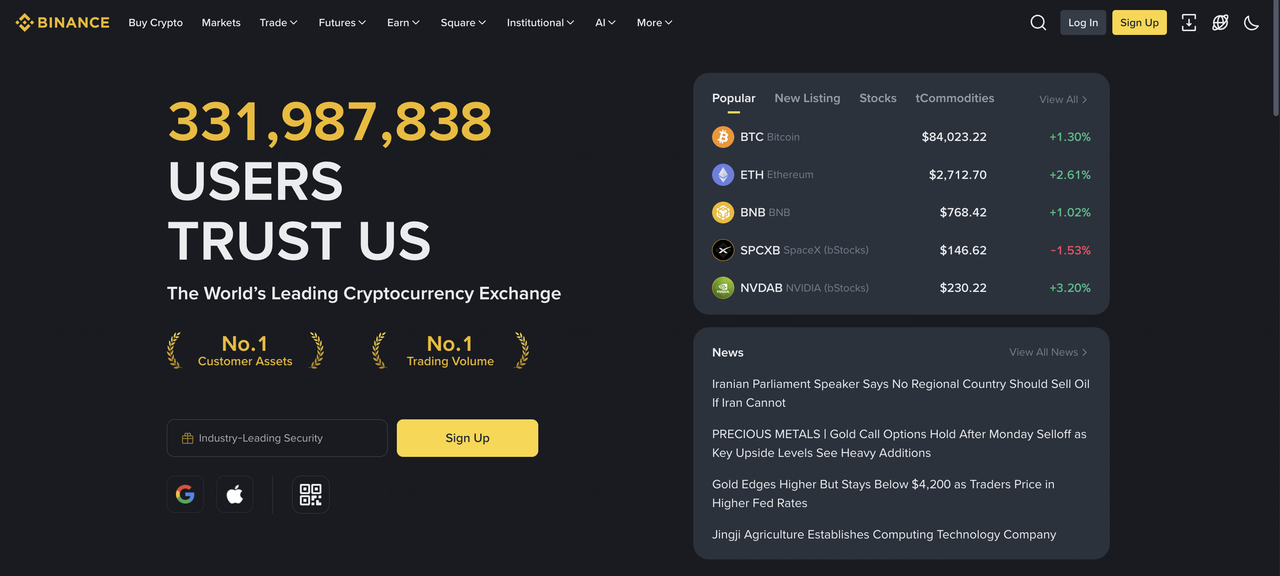
Binance has expanded from crypto into direct stocks and ETFs, tokenized securities, pre-IPO exposure, and USDT-settled TradFi perpetuals. Its direct-equity offering covers more than 7,000 U.S.-listed stocks and ETFs in eligible regions, and bStocks provides on-chain exposure to tokenized securities. TradFi perpetuals cover selected stocks, index-linked ETFs, gold, silver, oil, natural gas, copper, and other commodities.
Its main strength is the ability to move between a large crypto market and several forms of equity or commodity exposure. Product availability varies substantially by region, and traders must distinguish direct shares from tokenized securities and perpetual contracts.
Read More: BingX vs. Binance 2026: Which Is Better for Spot and Futures Trading? Pros, Cons and Fees Compared
3. Coinbase
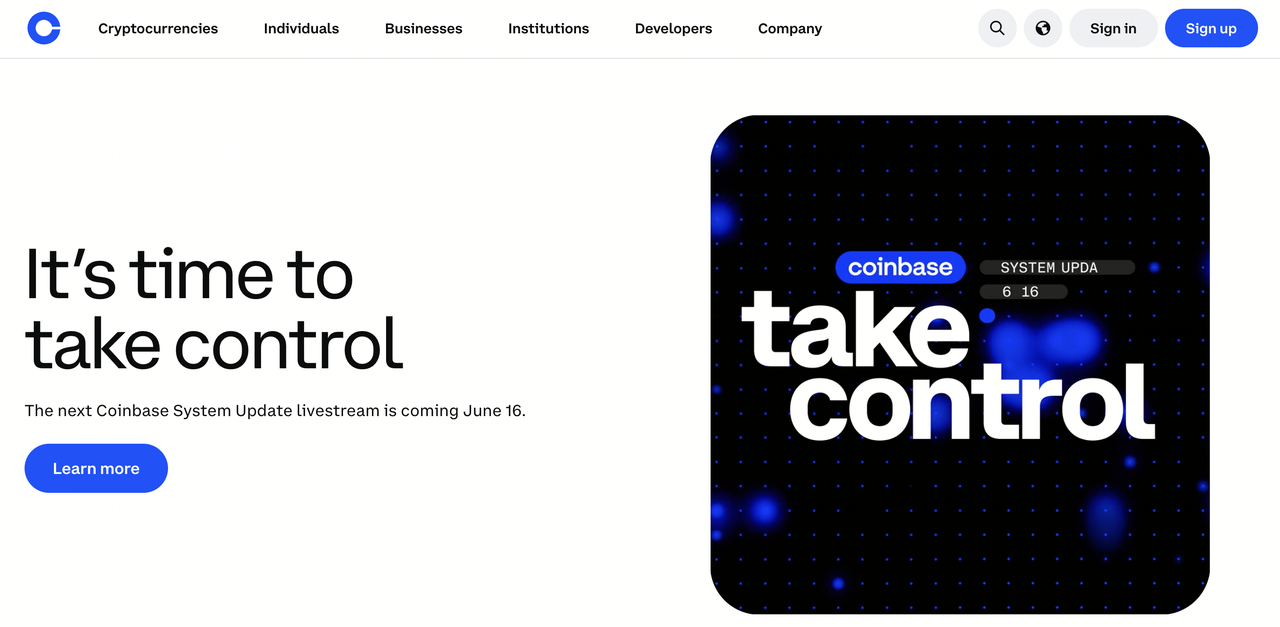
Coinbase now combines crypto with direct stock and ETF trading for U.S. users. Eligible customers can trade stocks and ETFs 24 hours a day, five days a week through the same platform used for crypto. Coinbase also offers stock perpetual futures and selected pre-IPO perpetuals for eligible users outside the United States.
The platform is a practical choice for users primarily interested in crypto and U.S. equities. Its traditional-market coverage remains narrower than platforms offering forex, global indices, metals, and energy products through several instrument types.
Read More: BingX vs Coinbase 2026: Which Is Better for Spot and Futures Trading? Pros, Cons and Fees Compared
4. Robinhood
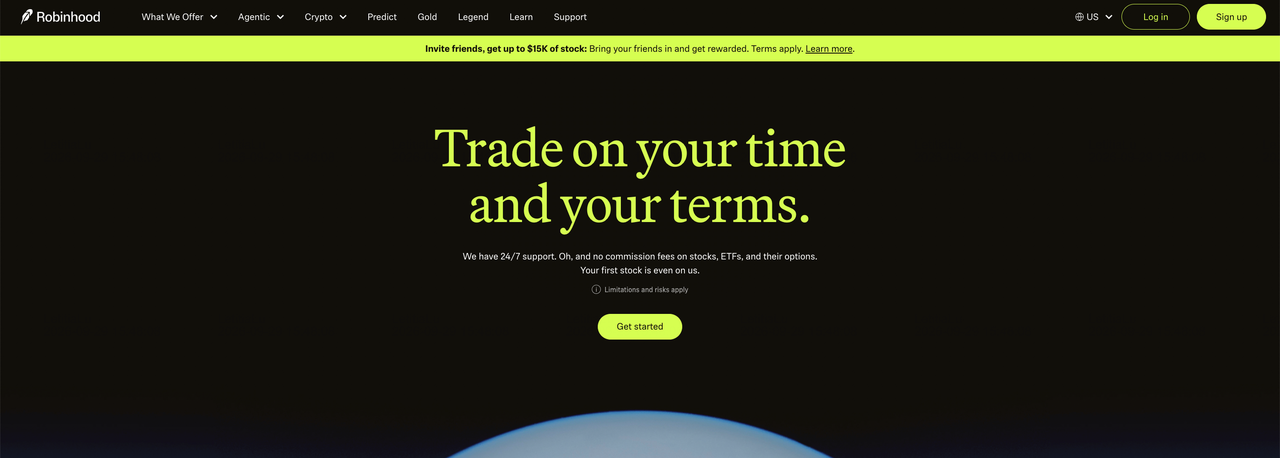
Robinhood provides direct access to more than 11,200 U.S. securities, including stocks, ETFs, closed-end funds, and selected American depositary receipts. It also supports crypto, stock and ETF options, and futures linked to equity indices, currencies, energy, metals, crypto, and other commodities.
The platform offers a straightforward experience for users focused on U.S. markets. Its product lineup and instrument structure vary across the United States, United Kingdom, and European markets, so users need to confirm what is available in their location.
Read More: Robinhood (HOOD) Stock Forecast 2026: Can the Super-App Strategy Push HOOD Toward $160?
5. Bybit
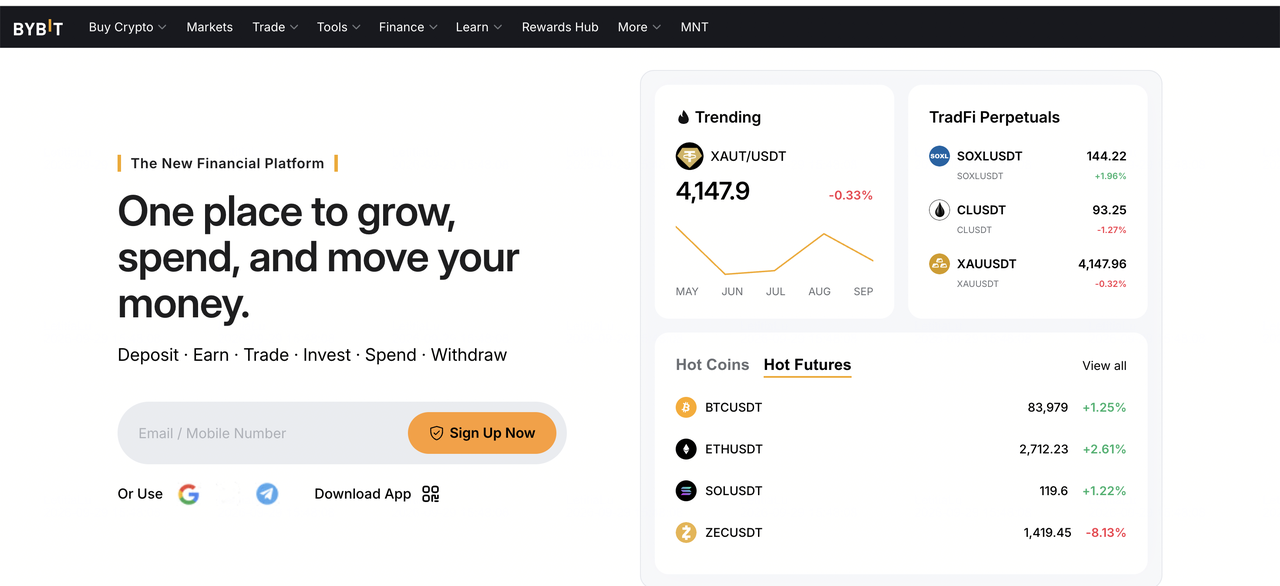
Bybit combines its crypto markets with TradFi perpetuals and more than 300 CFD trading pairs. Its CFD range includes more than 60 forex contracts, over 20 indices, more than 150 U.S. stock CFDs, precious metals, oil, and other commodities. These products run through a dedicated MT5 CFD account linked to the user's main login.
Bybit suits active traders who value MT5 charts, technical indicators, Expert Advisors, and extended trading sessions. The separate CFD balance adds an extra account-management step, and these contracts provide price exposure rather than ownership of the underlying assets.
Read More: BingX vs. Bybit 2026: Which Is Better for Spot and Futures Trading? Pros, Cons and Fees Compared
6. eToro
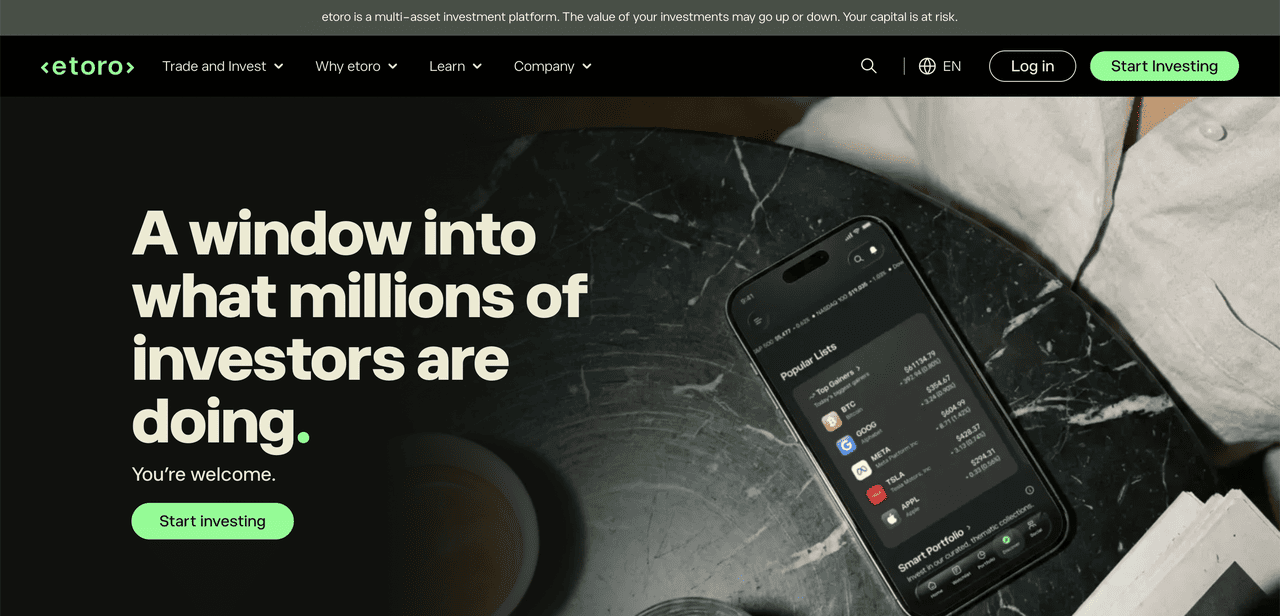
eToro offers stocks, ETFs, crypto, currencies, commodities, and indices alongside its CopyTrader social-trading feature. Depending on the asset, position, and region, users may purchase an underlying stock, ETF, or cryptoasset or receive exposure through a CFD.
CopyTrader is the platform's clearest differentiator because it lets users automatically replicate the positions of selected traders. Users should still review each order carefully since leverage, short positions, and some market exposures can change the instrument from an underlying asset to a CFD.
7. Kraken
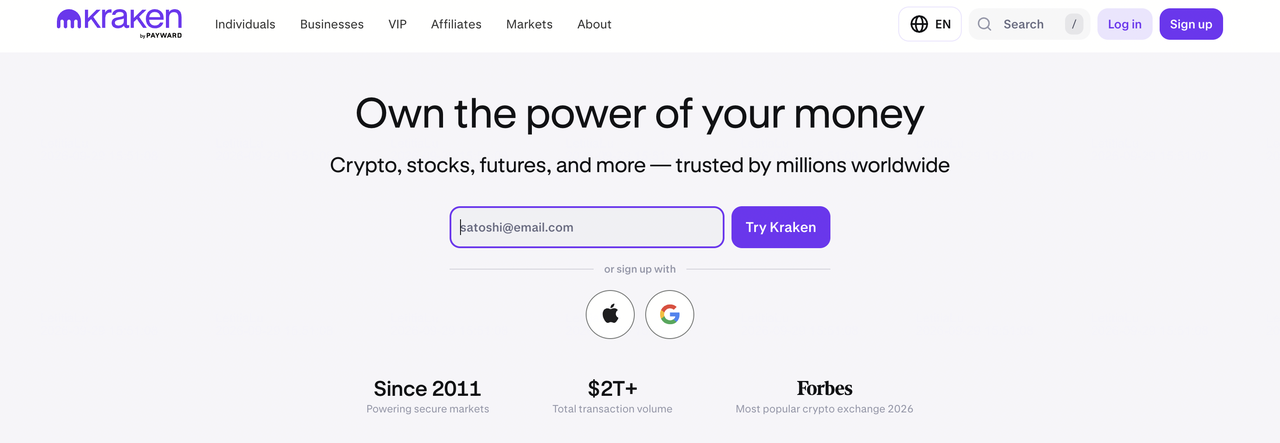
Kraken combines crypto spot, margin, and futures trading with more than 11,000 U.S.-listed stocks and ETFs for eligible U.S. clients. It also provides tokenized xStocks in more than 110 countries, giving some international users another form of equity exposure.
Kraken is a strong option for users who want crypto and a large direct-equity catalogue. Its coverage of forex, indices, metals, and energy products is less comprehensive than platforms built around broad TradFi perpetual or CFD markets.
Read More: BingX vs Binance vs Kraken: Which Exchange Is Better in 2026?
5 Key Risks to Review Before Using a Multi-Asset Trading Platform
Multi-asset platforms can make it easier to access different markets from one place, but the products themselves may work very differently. TradFi perpetuals, CFDs, direct stocks, ETFs, options, and tokenized assets can have different ownership, margin, fee, and trading-hour rules, so it is worth checking the product structure before trading.
- Confirm the instrument: A stock, stock perpetual, CFD, option, or tokenized stock may track the same company but offer different ownership rights, fees, and risk exposure.
- Review leverage and liquidation rules: Leveraged products can amplify both gains and losses. Margin requirements and liquidation thresholds can also vary by platform and instrument.
- Compare the full trading cost: Costs may include commissions, spreads, funding rates, swap fees, data fees, and currency conversion. Headline fees alone may not show the total cost of a trade.
- Check trading hours and liquidity: Some products trade beyond the underlying market's regular session. Liquidity and spreads can change significantly outside core market hours.
- Verify regional availability: Stocks, CFDs, futures, leverage levels, and tokenized products may not be available in every market. Check current product terms and regional eligibility before trading.
Conclusion: Why BingX Is the Best Multi-Asset Trading Platform
Each platform in this comparison takes a different approach to multi-asset trading. Some focus more on direct stocks and ETFs, while others emphasize derivatives, tokenized assets, or social trading. The right choice still depends on the markets a trader wants to access, regional availability, preferred product structure, and whether direct ownership or leveraged price exposure matters more.
BingX brings more than 1,000 crypto assets, 500+ TradFi instruments, CFDs, eligible stock and ETF products, No.1 TradFi perpetual liquidity, Copy Trading, AI tools, and BingX Academy resources into one connected ecosystem. For crypto-native traders expanding into traditional markets, that combination offers broad market access alongside familiar trading tools and research. Before placing a trade, users should still understand the instrument, fees, margin requirements, and risks involved.
Disclaimer: This article is provided for educational and informational purposes only. It does not constitute financial, investment, legal, or tax advice. Trading crypto, derivatives, stocks, forex, indices, and commodities involves risk and may result in partial or total loss. Always conduct independent research and consider your financial circumstances and risk tolerance before trading.
Related Reading
- How to Get Started with Perpetual Futures Trading on BingX: A 2026 Beginner's Guide
- How to Start Spot Trading on BingX: A Beginner’s Guide (2026)
- How to Trade Forex, Commodities, Stocks, and Indices With BingX TradFi: A Beginner’s Guide (2026)
- What Is BingX CFD and How to Trade CFD on BingX? A Beginner's Guide (2026)
- CFDs vs. Perpetual Futures: What Are the Differences and How to Trade on BingX? (2026)
FAQs About Multi-Asset Trading Platforms
1. Can Crypto and Stocks Be Traded on the Same Platform?
Yes. Multi-asset platforms such as BingX, Binance, Coinbase, Robinhood, eToro, and Kraken provide access to both crypto and some form of stock market exposure. Depending on the platform, that may come through direct shares, perpetual futures, CFDs, or tokenized stocks.
2. Does Trading Stocks on a Multi-Asset Platform Provide Ownership?
It depends on the product. Direct stock purchases can provide an ownership interest, while stock perpetuals and CFDs provide price exposure without direct share ownership. Tokenized stocks follow separate issuer and custody structures.
3. What Is the Difference Between Stock Perpetuals and Stock CFDs?
Both provide exposure to stock-price movements without directly owning the shares. Perpetual futures typically use an order book and periodic funding payments, while CFDs commonly use liquidity-provider quotes, spreads, and overnight swap charges. Margin and leverage rules can also differ.
4. Can USDT Be Used to Trade Traditional-Market Products?
Yes, on selected crypto-native platforms. BingX TradFi perpetual futures use USDT as margin, while BingX CFDs use USDx within a separate CFD account. Other platforms may use different settlement or margin assets depending on the product.
5. Are Multi-Asset Trading Platforms Suitable for Beginners?
They can be suitable when beginners start with one product type at a time. Crypto spot, direct stocks, perpetual futures, CFDs, and options work differently, so learning the basics of each product first is important. Demo trading, smaller positions, and conservative leverage can also make the learning process easier to manage.
