As gold perpetual futures trading becomes more accessible, liquidity has become a key factor in choosing a trading platform. Deep order books, tight bid-ask spreads, and consistent trading volume help traders execute orders efficiently, reduce slippage, and manage trading costs. However, liquidity varies across exchanges and market conditions, making order-book depth, execution quality, and funding rates important considerations when trading gold perpetual futures.
BingX combines gold perpetual futures trading with USDT margin, flexible order types, risk management tools, and access to crypto and traditional financial markets. This article compares BingX with other platforms based on liquidity, bid-ask spreads, trading fees, funding rates, and trading features. The comparison highlights how BingX's trading tools and multi-asset access help traders manage gold positions, evaluate execution costs, and navigate changing market conditions.
What Is Liquidity in Gold Perpetual Futures Trading?
Gold perpetual futures liquidity refers to how easily traders can buy or sell gold-linked perpetual contracts without significantly affecting their market price. Liquidity depends on the number of buyers and sellers, available order-book depth, and trading activity. Highly liquid markets generally offer tighter bid-ask spreads, less slippage, and more efficient execution. On BingX, traders can access gold perpetual futures using USDT margin, with liquidity varying across trading platforms, order sizes, and market conditions.
Liquidity also affects the actual cost of trading. For example, a 10,000 USDT gold perpetual buy order may execute close to the quoted asking price when sufficient sell orders are available. If the order exceeds available depth, the remaining amount may execute at higher prices, increasing the average entry cost. Unlike physical gold, perpetual futures provide price exposure without asset ownership or a fixed expiry date, while funding fees, margin requirements, and liquidation risks still apply. Understanding these factors helps traders compare liquidity, evaluate execution costs, and manage gold futures positions.
Read More: What Is Liquidity in TradFi Trading and How Does It Work on BingX?
How to Choose a Gold Perpetual Futures Platform: 5 Key Factors
A strong gold perpetual futures platform should offer more than high leverage or flexible trading hours. The best platforms combine deep liquidity, tight bid-ask spreads, competitive fees, transparent funding rates, and reliable risk management tools. These factors help traders reduce trading costs, improve execution, and manage gold positions efficiently.
- Deep order-book liquidity: Look for platforms with substantial buy and sell orders near the current market price. Strong order-book depth helps larger gold perpetual trades execute with less price impact, especially during volatile markets.
- Tight bid-ask spreads and low slippage: Compare buying and selling prices across gold perpetual contracts. Narrower spreads and lower slippage generally reduce execution costs, although larger orders also depend on available market depth.
- Consistent trading volume and open interest: Review trading volume and open interest for each gold perpetual contract. Higher volume indicates active trading, while open interest measures outstanding positions. Neither guarantees deep liquidity, so both should be assessed alongside order-book depth.
- Competitive trading fees and funding rates: Compare maker and taker fees, funding rates, and settlement intervals. Funding payments can increase or offset the cost of holding a position, particularly for traders maintaining gold perpetual contracts over longer periods.
- Flexible order types and reliable trading access: Choose platforms offering market and limit orders, stop-loss and take-profit settings, and suitable margin options. Clear liquidation rules, reliable trading access, and regional availability also help traders manage positions as market conditions change.
Read More: How to Trade Gold Futures With Crypto: A Beginner's Guide for 2026
Which Gold Perpetual Futures Platforms Offer the Best Liquidity and Lowest Trading Fees?
BingX offers competitive gold perpetual futures trading conditions, with 1.6 times the average commodity order-book depth of the second-ranked exchange in its September 2026 analysis across gold, silver, WTI, and Brent crude. Eligible users also benefit from 0.006% maker and 0.015% taker fees, alongside advanced order types, risk management tools, and access to over 500 TradFi perpetual instruments. The comparison below highlights how BingX performs alongside five major exchanges in gold liquidity, trading fees, and platform features.
|
Criterion |
BingX |
Binance |
Bybit |
OKX |
Bitget |
Gate |
|
Gold contract |
GOLD(XAU) |
XAUUSDT |
XAUUSDT |
XAUUSDT |
XAUUSDT |
XAUUSDT |
|
Margin |
USDT |
USDT |
USDT |
USDT |
USDT |
USDT |
|
Liquidity |
1.6x average commodity depth |
Live order book |
Live order book |
Live order book |
Live order book |
Live order book |
|
Maker / taker fees |
0.006% / 0.015% (eligible users) |
0% / 0.04% (promo) |
0% / 0.0275% (promo) |
0.02% / 0.05% |
0.02% / 0.06% |
0.02% / 0.05% |
|
Trading tools |
Market, limit, TP/SL, Fixed Risk on supported contracts |
Market, limit, stop, TWAP |
Market, limit, conditional, TP/SL |
Market, limit, trigger, trailing stop |
Market, limit, OCO, TP/SL |
Market, limit, trigger, TP/SL |
|
Additional markets |
Crypto, stocks, forex, indices, commodities |
Crypto, commodities, TradFi |
Crypto, stocks, forex, indices |
Crypto, commodities, derivatives |
Crypto, stocks, precious metals |
Crypto, stocks, forex, indices |
How Deep Is Gold Perpetual Futures Liquidity on BingX?
BingX and Binance stand out among the six exchanges compared for their billion-dollar daily gold perpetual futures trading volumes. According to CoinGecko's November 11, 2026 snapshots, Binance recorded approximately $2.15 billion, while BingX reached $1.04 billion in 24-hour volume. Both exceeded the other four platforms, with BingX recording approximately 3.2 times the volume of OKX, the third-highest among these six exchanges. This highlights BingX's strong gold trading activity, although volume and rankings change with market conditions.
BingX's September 2026 liquidity analysis also reported 1.6 times the average order-book depth of the second-ranked exchange across gold, silver, WTI, and Brent crude, measured within 0.1%, 0.5%, and 1% of market prices. This commodity-wide result supports BingX's liquidity positioning, while actual gold execution depends on live order-book depth, spreads, and order size. The table below highlights BingX's gold perpetual futures features and trading conditions.
|
BingX Gold Trading Feature |
What It Means for Traders |
|
GOLD(XAU) perpetual |
Trade a gold-linked contract using USDT margin without holding physical gold. |
|
Order-book information |
Review current bids, asks, and available quantities before trading. |
|
Reported commodity depth |
1.6x average depth relative to the second-ranked exchange across four commodities and three price bands. |
|
Eligible TradFi fee discount |
0.006% maker / 0.015% taker, subject to account eligibility. |
|
Trading and risk tools |
Market and limit orders, stop-loss settings, margin, and leverage controls. |
Best Gold Perpetual Futures Platforms for Liquidity in 2026
Gold perpetual futures are available across several major exchanges, but trading conditions differ by platform. Beyond liquidity, traders should compare maker and taker fees, order types, and risk management features to identify the most suitable trading environment.
BingX combines competitive fees with advanced risk management tools and access to multiple TradFi markets. The table below compares BingX with five other exchanges, highlighting their gold contracts, trading costs, and key features.
|
Platform |
Gold Perpetual Contract |
Maker / Taker Fees |
Key Trading Features |
|
BingX |
GOLD(XAU)/USDT |
0.006% / 0.015% (eligible users) |
Deep commodity liquidity, TP/SL, Fixed Risk on supported contracts, and TradFi markets |
|
Binance |
XAUUSDT |
0% / 0.04% (promo) |
High-volume trading, trailing stops, and TWAP |
|
Bybit |
XAUUSDT |
0% / ~0.0275% (promo) |
Conditional orders, TP/SL, and leverage controls |
|
OKX |
XAUUSDT |
0.02% / 0.05% (Level 1) |
Limit and trigger orders, advanced charts |
|
Bitget |
XAUUSDT |
0.02% / 0.06% (standard) |
TP/SL, trading bots, and Copy Trading |
|
Gate |
XAUUSDT |
0.02% / 0.05% (VIP 0) |
Conditional orders, TP/SL, and margin controls |
1. BingX: Best for Gold Perpetual Futures Liquidity and Multi-Asset Trading

BingX combines strong gold perpetual futures liquidity with competitive trading fees and a broader multi-asset trading ecosystem. CoinGecko's November 11, 2026 snapshot recorded approximately $1.06 billion in 24-hour GOLD(XAU)/USDT trading volume, highlighting substantial market activity. Alongside gold trading, BingX offers crypto futures, other TradFi perpetuals, advanced charts, and risk management tools, allowing traders to assess liquidity and manage positions across different markets.
- High gold trading volume: BingX recorded approximately $1.06 billion in daily gold perpetual trading volume in CoinGecko's November 11 snapshot.
- Deep commodity order books: BingX's September 2026 analysis reported 1.6x average order-book depth relative to the second-ranked exchange across gold, silver, WTI, and Brent.
- Competitive trading fees: Eligible users benefit from discounted TradFi perpetual fees of 0.006% maker and 0.015% taker, helping reduce trading costs.
- Advanced trading and risk management tools: Market and limit orders, live order books, TP/SL settings, and Fixed Risk on supported futures contracts help traders manage entries, exits, and position risk.
- Integrated multi-asset trading: Trade USDT-margined gold perpetuals alongside crypto futures and other TradFi markets, including stocks, indices, forex, and commodities.
Read More: How to Invest in Gold on BingX: A 2026 Beginner’s Guide
2. Binance
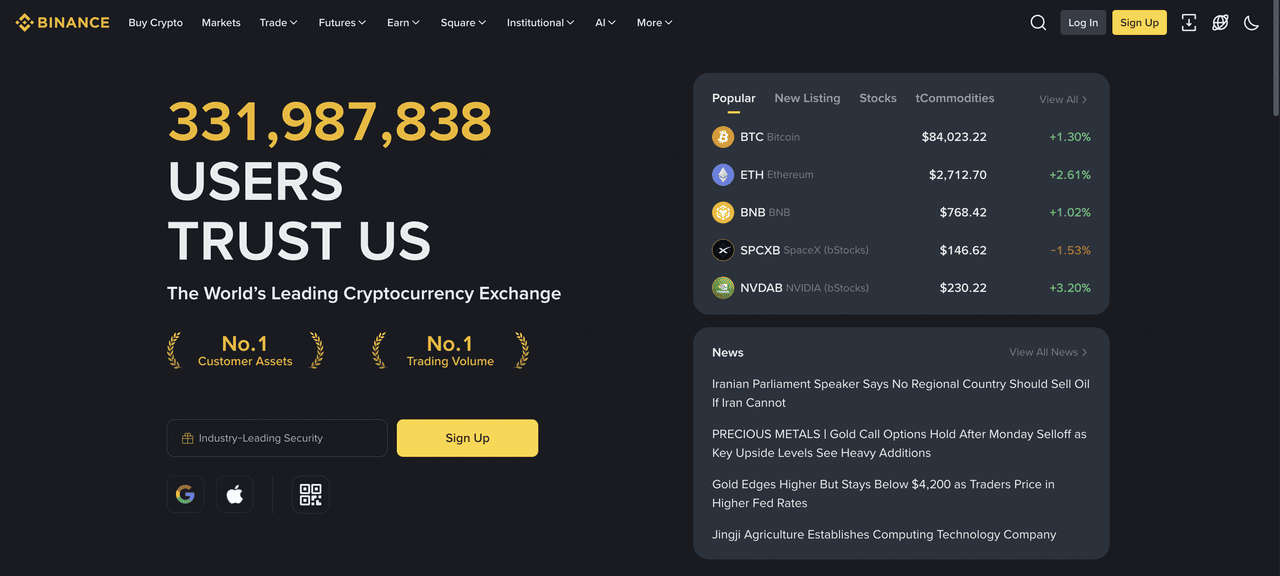
Binance offers USDT-settled XAUUSDT perpetual futures alongside crypto and other TradFi contracts. CoinGecko's November 11, 2026 snapshot recorded approximately $2.15 billion in 24-hour gold perpetual trading volume. The platform also provides advanced charts, market and limit orders, trailing stops, TWAP, and futures risk management tools.
Binance may suit traders prioritizing high-volume gold markets, advanced execution tools, and access to multiple futures products. However, trading costs depend on maker and taker fees, funding rates, and market conditions. Traders should review live spreads and available liquidity before placing larger orders.
Read More: BingX vs. Binance 2026: Which Is Better for Spot and Futures Trading? Pros, Cons and Fees Compared
3. Bybit
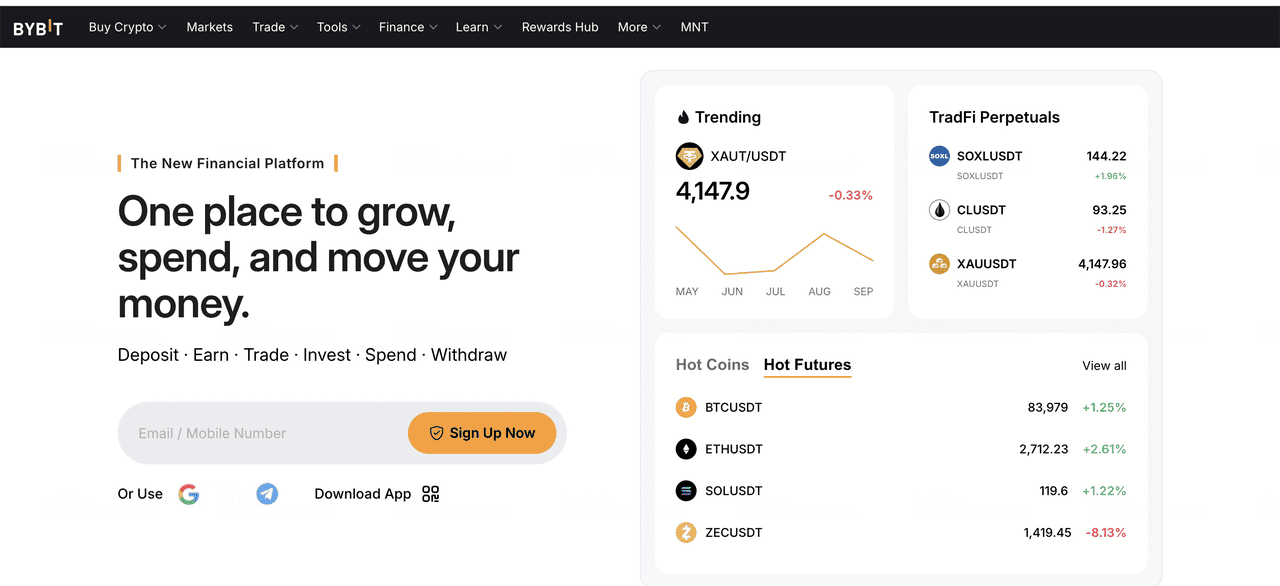
Bybit offers XAUUSDT perpetual futures through its TradFi trading platform, allowing eligible users to trade gold with USDT margin. The platform supports market and limit orders, conditional orders, stop-loss controls, and automated futures trading tools. Promotional TradFi perpetual fees include 0% maker and approximately 0.0275% taker, subject to eligibility.
Bybit may suit traders seeking gold perpetual futures alongside crypto derivatives and automated trading strategies. Its order management tools provide flexibility for different trading approaches, while promotional fees may reduce transaction costs. Actual liquidity, funding payments, and execution prices depend on market conditions and position size.
Read More: BingX vs. Bybit 2026: Which Is Better for Spot and Futures Trading? Pros, Cons and Fees Compared
4. OKX
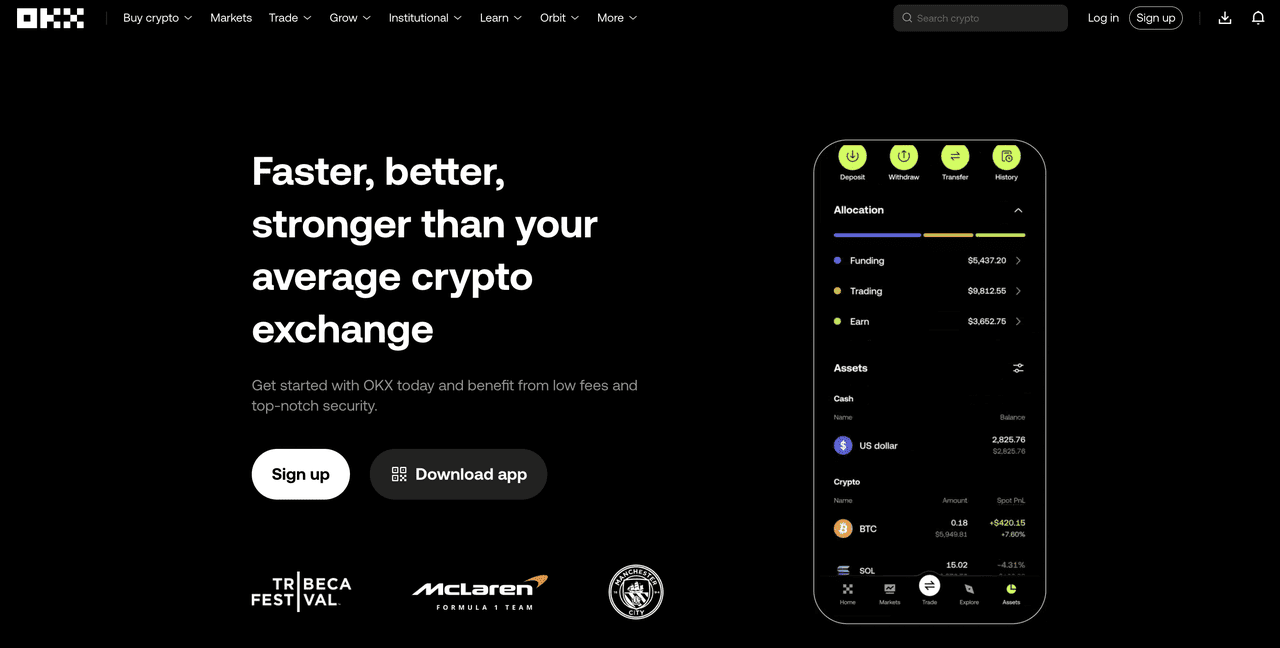
OKX provides gold perpetual futures alongside crypto derivatives and other commodity markets. The platform offers live order-book information, advanced charts, market and limit orders, trigger orders, and risk management tools. Trading fees depend on account tier, contract specifications, and regional availability.
OKX may suit active traders seeking gold exposure alongside crypto futures and advanced order execution features. However, gold trading conditions vary with market activity, and available contracts may differ by region. Traders should compare live bid-ask spreads, funding rates, and applicable fees before entering positions.
Read More: BingX vs. OKX 2026: Which Is Better for Spot and Futures Trading? Pros, Cons and Fees Compared
5. Bitget
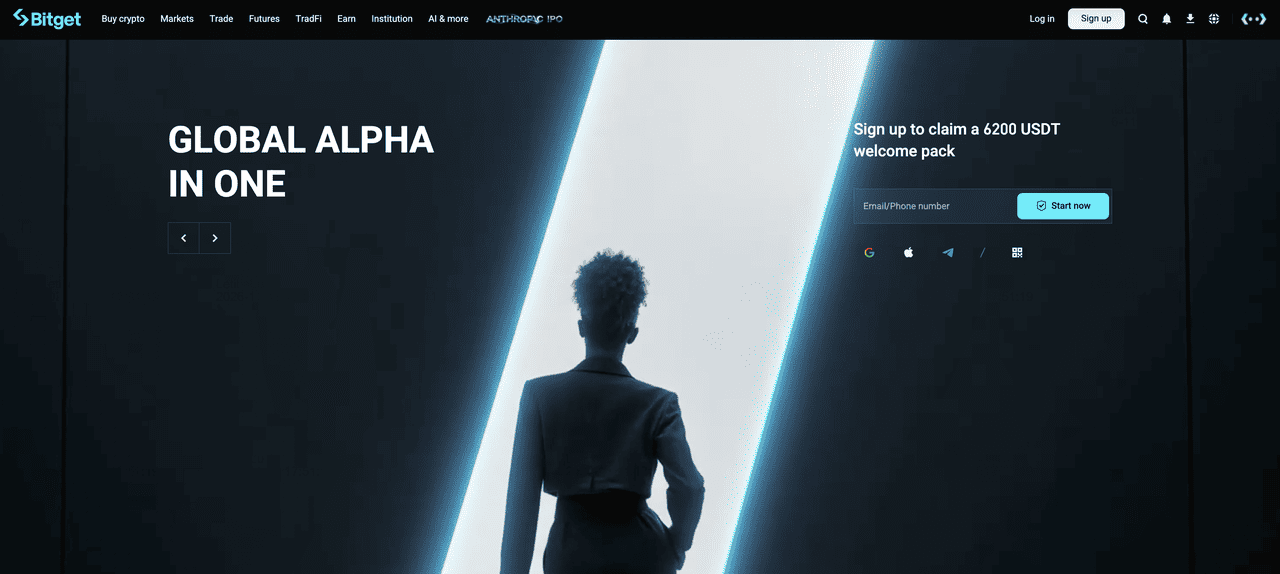
Bitget offers USDT-margined XAUUSDT perpetual futures alongside cryptocurrency and other TradFi-linked markets. The platform provides market and limit orders, take-profit and stop-loss settings, Copy Trading, and automated trading tools. Its futures trading interface also displays market prices, trading activity, and funding information.
Bitget may suit traders interested in gold perpetual futures alongside crypto trading and Copy Trading features. Its combination of manual and automated trading tools supports different trading approaches, although actual execution costs depend on available liquidity, maker and taker fees, and funding rates.
Read More: BingX vs Bitget 2026: Which Is Better for Spot and Futures Trading? Pros, Cons and Fees Compared
6. Gate
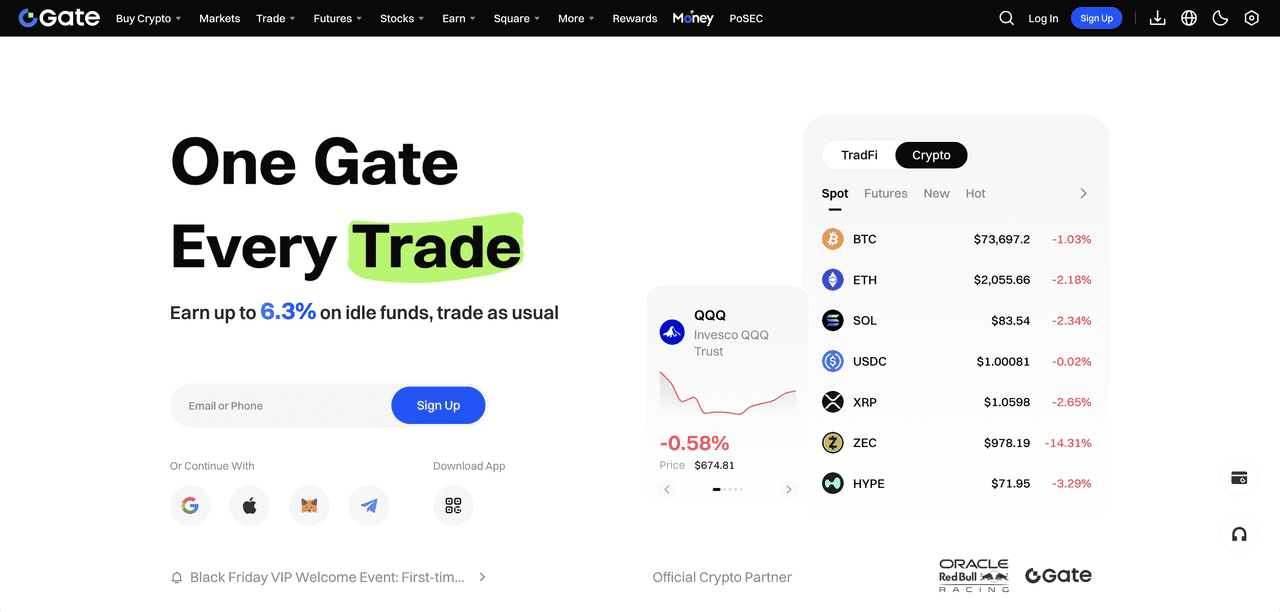
Gate offers USDT-margined XAUUSDT perpetual futures, providing gold price exposure alongside a broad selection of crypto and commodity contracts. The platform provides live order-book data, market and limit orders, conditional orders, stop-loss settings, and futures risk management tools.
Gate may suit traders seeking gold exposure alongside a wide range of perpetual futures markets. Its order management tools support different trading strategies, while actual trading costs depend on bid-ask spreads, funding rates, and applicable maker and taker fees. Traders should review live market conditions before placing larger orders.
Read More: BingX vs Gate.io 2026: Which Is Better for Spot and Futures Trading? Pros, Cons and Fees Compared
How to Trade Gold Perpetual Futures on BingX: 5 Simple Steps
BingX allows eligible traders to open long or short gold perpetual futures positions using USDT as margin. Follow these five steps to get started.
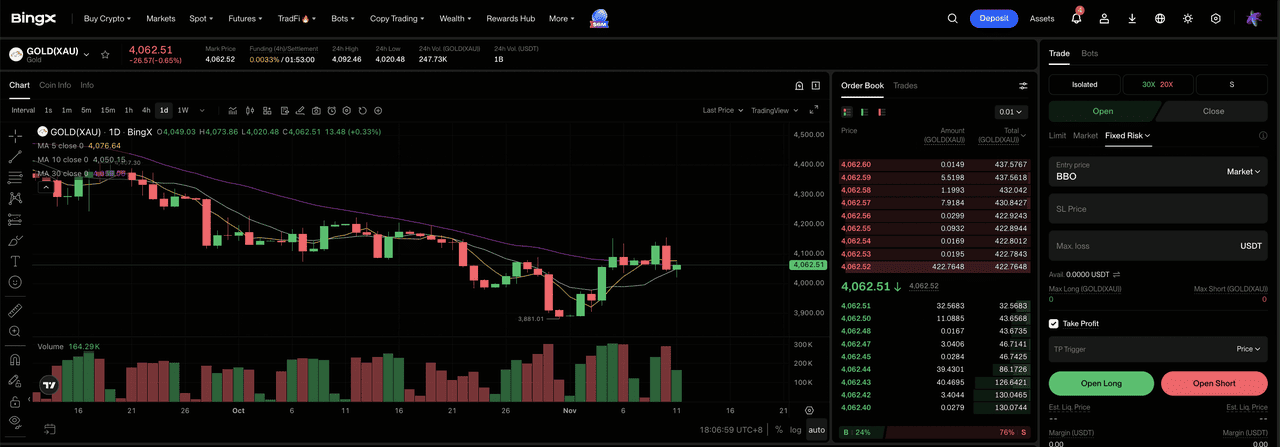
Step 1: Access BingX TradFi. Sign up or log in to your BingX account and navigate to the BingX TradFi market to explore available commodities and perpetual futures.
Step 2: Select GOLD(XAU)-USDT Perpetual Futures. Open the GOLD(XAU) perpetual trading page and review the current gold price, bid-ask spread, and order book.
Step 3: Prepare USDT Margin. Deposit or transfer USDT into your BingX Futures Account to use as margin for your gold perpetual position.
Step 4: Choose Your Direction and Place Your Trade. Select Isolated or Cross-Margin adjust your leverage, and choose a market or limit order. Click Open Long if you expect gold prices to rise or Open Short if you expect them to fall.
Step 5: Manage Your Position and Trading Risk. Set Take-Profit and Stop-Loss (TP/SL) levels, or use BingX Fixed Risk to monitor your margin and liquidation price, and review funding fees while your position remains open.
5 Key Risks to Consider When Comparing Gold Futures Liquidity
Gold perpetual futures platforms may offer deep liquidity and competitive fees, but execution conditions can change during market volatility. Wider spreads, lower order-book depth, and leveraged positions can increase trading risks, making it important to evaluate liquidity, trading costs, and risk management tools before placing an order.
- Monitor changes in market liquidity: Available buy and sell orders can change quickly, especially during major economic announcements or sudden gold price movements. Orders may be filled or canceled before execution, increasing potential slippage.
- Compare spreads and slippage across platforms: Tight bid-ask spreads do not always guarantee efficient execution. Larger orders may fill at multiple price levels, so review available order-book depth and estimated execution costs before trading.
- Manage leverage and liquidation risk: Higher leverage increases exposure relative to margin and can bring liquidation closer to the entry price. Review margin requirements, liquidation prices, and stop-loss settings, as stop-loss execution is not guaranteed.
- Review funding costs and gold price differences: Funding payments can increase the cost of holding perpetual positions. Contract prices may also differ from reference gold prices, particularly outside traditional market hours or during volatile conditions.
- Verify trading hours and platform availability: Gold perpetual trading schedules, liquidity, maintenance periods, and regional restrictions vary across exchanges. Check contract specifications, trading access, and account requirements before opening positions.
Conclusion: Why BingX Is a Strong Gold Perpetual Futures Platform for Liquidity
Each gold perpetual futures platform offers different strengths in liquidity, trading fees, funding rates, and execution tools. While major exchanges provide active gold markets, available liquidity and trading costs can vary across platforms and order sizes. Choosing the right platform means comparing bid-ask spreads, order-book depth, funding costs, and risk management features rather than relying on trading volume alone.
BingX combines high gold perpetual trading activity, 1.6x average commodity order-book depth in its September 2026 analysis, and discounted 0.006% maker and 0.015% taker fees for eligible users with advanced trading tools and broader TradFi market access. For traders seeking efficient gold futures execution alongside crypto and other financial markets, BingX offers a connected trading ecosystem with flexible order types and risk management features. Actual execution depends on live liquidity, market conditions, and applicable fees.
Risk Reminder: Gold perpetual futures involve leverage, price volatility, liquidation risk, and potential losses. Liquidity and funding rates can change during market stress, while stop-loss orders may not execute at the specified price. Product availability and trading conditions depend on regional and account eligibility.
Related Reading
- What Is Liquidity in TradFi Trading and How Does It Work on BingX?
- How Does Liquidity Affect Trading Costs? Trade With Lower Costs on BingX
- Trading Volume vs. Liquidity: What Is the Difference?
- How to Trade Forex, Commodities, Stocks, and Indices With BingX TradFi: A Beginner’s Guide (2026)
- Gold CFDs vs. Gold Futures vs. Tokenized Gold (XAUT): Key Differences and Which Should You Choose?
FAQs About Gold Perpetual Futures Liquidity
1. Which Platform Offers the Best Liquidity for Gold Perpetual Futures?
BingX is among the leading platforms for gold perpetual futures liquidity, recording approximately $1.06 billion in 24-hour trading volume on November 11, 2026. Its active gold market, competitive trading fees, and advanced trading tools make it a strong choice for gold perpetual futures traders.
2. Can I Trade Gold Perpetual Futures With USDT on BingX?
Yes. BingX offers USDT-margined GOLD(XAU) perpetual futures, allowing eligible traders to open long or short positions without owning physical gold.
3. Does Higher Gold Futures Trading Volume Mean Better Liquidity?
Not always. High trading volume indicates active trading, but deeper order books and tighter bid-ask spreads are also important for reducing slippage.
4. How Can I Reduce Slippage When Trading Gold Perpetual Futures?
Compare live spreads, review order-book depth, and use appropriate order sizes. Limit orders help control execution prices but may remain unfilled.
5. Can I Trade Gold Perpetual Futures Outside Traditional Market Hours?
Yes. BingX supports gold perpetual futures trading for approximately 23 hours a day, five days a week, covering major global trading sessions. Trading pauses during scheduled breaks and market closures, so check the contract's current trading hours before placing orders.
6. Are Funding Fees Included in Gold Perpetual Futures Trading Fees?
No. Trading fees apply to executed orders, while funding payments are separate and depend on the contract's funding rate and settlement schedule.
