Narracja XRP fundamentalnie zmieniła się w 2026 roku. Po transformacyjnym 2025 roku, który przyniósł uruchomienie stablecoina RLUSD i pełną aktywację EVM Sidechain, XRP Ledger (XRPL) umocnił swoją pozycję jako instytucjonalny wybór dla regulowanego DeFi. Na luty 2026 roku XRP utrzymuje dominującą pozycję w najwyższej lidze z kapitalizacją rynkową przekraczającą 88 miliardów dolarów, przetwarzając miliony transakcji dziennie z opłatami poniżej centa.
Podczas gdy wczesna era XRPL była definiowana przez proste płatności transgraniczne, ekosystem z 2026 roku to solidna warstwa finansowa. Najnowsze przełomy, takie jak implementacja Confidential Transfers i Single Asset Vaults (XLS-65), pokazują, że kapitał w księgze rachunkowej przechodzi od pasywnego przechowywania do aktywnego, przynoszącego zyski użytkowania.
Ten przewodnik zapewnia wyczerpujący przegląd 10 najlepszych portfeli XRP w 2026 roku, oceniając ich role w bezpieczeństwie, dostępie do płynności i kompatybilności technicznej z nowoczesnym XRPL.
Jakie są 10 najlepszych portfeli XRP do użycia w 2026 roku?
Gdy XRPL osiąga okres dojrzałości instytucjonalnej, następujące portfele stały się liderami na podstawie architektury bezpieczeństwa, głębokości płynności i integracji na poziomie protokołu.
1. BingX
BingX pozycjonuje się jako centrum handlu XRP o wysokiej płynności, łącząc głębokie księgi zleceń, analitykę wzmocnioną sztuczną inteligencją i bezpieczeństwo klasy instytucjonalnej. Na 2026 rok program BingX Earn Simple Earn oferuje posiadaczom XRP szacowane APR na poziomie 0,24%–0,36%, zapewniając opcję zysku o niskim tarciu bez blokowania aktywów on-chain. Dla aktywnych traderów, zintegrowane z BingX AI rynki Spot i Perpetual Futures są zaprojektowane do wykorzystywania historycznie wysokiej śróddziennej zmienności XRP, z narzędziami takimi jak alerty ryzyka w czasie rzeczywistym, adaptacyjne kontrole depozytu zabezpieczającego i automatyczne wykonywanie strategii.
BingX obsługuje również natywne wpłaty XRPL, wraz z reprezentacjami XRP połączonymi mostami w sieciach kompatybilnych z EVM, dając użytkownikom elastyczność w scentralizowanych i międzysieciowych strategiach handlowych. To wsparcie wielotorowych aktywów, w połączeniu z szybką realizacją i natychmiastowym dostępem do płynności, czyni BingX praktycznym wyborem dla traderów optymalizujących zarówno zyski, jak i krótkoterminową ekspozycję cenową.
Kluczowa uwaga: Zysk XRP na BingX jest generowany przez mechanizmy pożyczkowe giełdy, a nie stakowanie on-chain.
Najlepiej nadaje się dla: Aktywnych traderów i menedżerów portfela poszukujących natychmiastowej płynności, skromnych pasywnych zysków i wnglądów rynkowych opartych na AI w ramach jednej platformy.
2. Tangem Wallet
Tangem zapoczątkował rewolucję sprzętu bez seedów na 2026 rok, zastępując nieporęczne tradycyjne urządzenia kartą o klasie ochrony IP69K, która jest wodoodporna, pyłoodporna i odporna na ekstremalne temperatury, promienie X i impulsy elektromagnetyczne. Portfel wykorzystuje element bezpieczny z certyfikatem EAL6+ opracowany przez Samsung, ten sam poziom bezpieczeństwa używany w paszportach biometrycznych, do generowania i trwałego blokowania kluczy prywatnych w chipie. Dzięki wykorzystaniu technologii NFC, Tangem eliminuje podatności na ataki Bluetooth, baterii i portów USB, pozwalając użytkownikom podpisywać transakcje jednym dotknięciem. Przez głęboką integrację z Xaman, Tangem działa jako fizyczny klucz do XRP Ledger, umożliwiając bezpieczną interakcję z ekosystemem MPT i natywnych protokołów pożyczkowych z 2026 roku bez ujawniania kluczy prywatnych w środowisku online.
Kluczowa uwaga: Wymaga urządzenia mobilnego z obsługą NFC i wykorzystuje system Smart Backup, w którym dodatkowe karty działają jako metoda odzyskiwania zamiast tradycyjnej papierowej frazy seed.
Najlepiej nadaje się dla: Inwestorów poszukujących wytrzymałego przechowywania na zimno, które łączy bezpieczeństwo skarbca powietrznego z wygodą karty kredytowej.
3. BitPay
BitPay pozostaje branżowym wzorcem dla rzeczywistego użytkowania XRP, łącząc przepaść między aktywami cyfrowymi a globalnym handlem przez swoją architekturę open-source, bez przechowywania środków. Na luty 2026 roku BitPay obsługuje bezpośrednie płatności XRP u ponad 250 głównych marek, w tym AMC Theatres, Ralph Lauren i Newegg, wraz z solidnym ekosystemem ponad 250 kart podarunkowych z natychmiastową dostawą. Wyróżniającą się funkcją portfela, HODL Pay, pozwala użytkownikom wykorzystywać DeFi przez pożyczanie stablecoinów pod zabezpieczenie XRP przez integrację z Aave do uregulowania każdej faktury BitPay bez wywołania opodatkowanej sprzedaży. Z funkcjami bezpieczeństwa klasy instytucjonalnej, takimi jak obsługa wielopodpisu (multisig), uwierzytelnianie biometryczne i integracja Unstoppable Domains, BitPay przekształca XRP w funkcjonalną walutę o wysokiej prędkości zdolną do rozliczania w 3–5 sekund za opłaty poniżej centa.
Kluczowa uwaga: Zoptymalizowany do wysokiej częstotliwości wydatków, płacenia rachunków i konwersji fiat raczej niż złożonego farmowania zysków on-chain lub wybijania NFT.
Najlepiej nadaje się dla: Użytkowników, którzy postrzegają XRP jako podstawowy środek wymiany i chcą bezproblemowy sposób płacenia rachunków, robienia zakupów u czołowych marek lub używania karty BitPay Mastercard do wydatków krypto-na-fiat w czasie rzeczywistym.
4. Xaman (Dawniej Xumm)
Xaman to definitywna Super Aplikacja dla XRP Ledger, służąca jako główna brama dla ponad 2 milionów użytkowników do dostępu do instytucjonalnych uaktualnień DeFi sieci z 2026 roku. Najnowsze wydanie Xaman 5.0.0 wprowadziło Virtual Assets i prawdziwą odporność offline, pozwalając na podstawowe ręczne działania, takie jak podpisywanie transakcji i zarządzanie Trust Line nawet gdy główna infrastruktura backend jest niedostępna. Jako najbardziej zaawansowany technicznie interfejs dla księgi rachunkowej, zapewnia natywne wsparcie dla protokołu pożyczkowego XLS-66 i Multi-Purpose Tokens (MPT), integrując je bezpośrednio na ekranie głównym z wycenami fiat w czasie rzeczywistym. Poza standardowymi funkcjami portfela, ekosystem xApp Xaman pozwala użytkownikom wchodzić w interakcje z zaawansowanymi funkcjami, takimi jak płynność AMM, Xahau Hooks i Single Asset Vaults (XLS-65), wszystko w środowisku samodzielnego przechowywania, które utrzymuje zerowy rekord naruszeń bezpieczeństwa przez ponad pięć lat.
Kluczowa uwaga: Chociaż Xaman to gorący portfel, oferuje model bezpieczeństwa Hardware-Backed w połączeniu z kartami Xaman Cards napędzanymi przez Tangem, skutecznie przekształcając interfejs mobilny w portal przechowywania na zimno.
Najlepiej nadaje się dla: Zaawansowanych użytkowników, programistów i uczestników DeFi, którzy wymagają kompletnego interfejsu do zarządzania złożonymi pozycjami on-chain i wczesnym dostępem do funkcji protokołu.
5. SafePal S1
SafePal S1 pozostaje wzorcem dla bezpieczeństwa bez połączeń, wykorzystując 100% mechanizm podpisywania powietrznego, który całkowicie eliminuje podatności Bluetooth, WiFi, NFC i USB danych. W konkurencyjnej cenie 49,99 USD urządzenie zawiera niezależny element bezpieczny CC EAL6+ i kamerę na urządzeniu do szybkiego skanowania kodów QR, zapewniając, że klucze prywatne nigdy nie opuszczają sprzętu. Jego profil techniczny z 2026 roku obejmuje wysokowydajną baterię 400mAh, zapewniającą do 20 dni czuwania, i zaawansowany mechanizm samozniszczenia przeciw manipulacjom, który usuwa wszystkie dane po wykryciu fizycznego naruszenia. Poza przechowywaniem na zimno, S1 zapewnia bramę klasy instytucjonalnej do XRPL przez swoją natywną aplikację, obsługując swapy cross-chain, integrację Binance Earn i dedykowany most dla wschodzącego sidechainu EVM XRPL.
Kluczowa uwaga: Wymaga ręcznej aktualizacji firmware przez USB-C do dostępu do najnowszych aktywów XRPL z 2026 roku, a użytkownicy muszą utrzymywać naładowanie fizycznego urządzenia do wykonywania podpisywania transakcji.
Najlepiej nadaje się dla: Inwestorów priorytetowo traktujących bezpieczeństwo, poszukujących przystępnego cenowo, wielkości karty kredytowej rozwiązania przechowywania na zimno, które oferuje całkowicie offline środowisko bez poświęcania użyteczności DeFi.
6. Trezor Safe 3
Trezor Safe 3 to wiodące w branży przejrzyste rozwiązanie przechowywania na zimno, łączące w pełni open-source architekturę sprzętową i programową ze specjalistycznym elementem bezpiecznym z certyfikatem EAL6+. Ten dwuczipowy design rozwiązuje problem ślepego zaufania tradycyjnego sprzętu, pozwalając społeczności auditować kod przy jednoczesnym utrzymywaniu dedykowanego, odpornego na manipulacje skarbca dla kluczy prywatnych. W 2026 roku urządzenie pozostaje potęgą dla posiadaczy XRP przez Trezor Suite, który obsługuje Shamir Backup (SLIP-0039), protokół wysokiej redundancji, który pozwala użytkownikom podzielić swój seed odzyskiwania na wielokrotne części, np. 3-z-5, w celu eliminacji pojedynczych punktów awarii. Z minimalistycznym interfejsem dwóch przycisków i monochromatycznym ekranem OLED do weryfikacji transakcji na urządzeniu, Trezor Safe 3 zapewnia, że twój XRP, MPT i Trust Lines nigdy nie są narażone na zagrożenia online, wszystko przy podtrzymywaniu dziedzictwa SatoshiLabs całkowitej anonimowości użytkownika.
Kluczowa uwaga: Zoptymalizowany dla Androida i komputerów stacjonarnych (Windows/macOS/Linux); funkcjonalność iOS jest obecnie ograniczona do trybu tylko do odczytu przez aplikację Trezor Suite Lite.
Najlepiej nadaje się dla: HODLerów skoncentrowanych na prywatności i użytkowników technicznych, którzy wymagają modelu bezpieczeństwa auditowanego przez społeczność, przejrzystego bez proprietary black box komponentów.
7. Cypherock X1
Cypherock X1 ustanowił nowy wzorzec na 2026 rok, będąc pierwszym na świecie portfelem sprzętowym, który eliminuje Single Point of Failure przez natywne Shamir Secret Sharing (SSS). Zamiast polegać na podatnej na uszkodzenie papierowej kopii zapasowej z 24 słowami, X1 kryptograficznie dzieli twój klucz prywatny na pięć fragmentów rozprowadzonych na jednym OLED Vault i czterech smartkartach z certyfikatem EAL6+, tym samym poziomem bezpieczeństwa co wysokiej klasy chipy bankowe. Ten model odzyskiwania 2-z-5 zapewnia, że twój XRP pozostaje bezpieczny nawet jeśli stracisz Vault i do dwóch kart, lub jeśli jeden komponent zostanie skradziony. Ponadto integracja Cypherock Cover z 2026 roku wprowadza pierwszy w branży plan dziedziczenia bez przechowywania środków i bez KYC, pozwalając wyznaczyć nominata, który może odzyskać twoje aktywa po określonym okresie braku aktywności, rozwiązując problem martwego przełącznika człowieka bez naruszania prywatności.
Kluczowa uwaga: Chociaż obsługuje ponad 9000 aktywów, w tym natywne tokeny XRPL i MPT, unikalne odzyskiwanie oparte na fragmentach wymaga zdyscyplinowanej strategii fizycznej dla geograficznego rozprowadzenia twoich kart.
Najlepiej nadaje się dla: HODLerów poziomu instytucjonalnego, wielorybów o wysokiej wartości netto i planistów majątku, którzy wymagają automatycznego dziedziczenia i modelu bezpieczeństwa, który przeżywa zarówno fizyczną kradzież, jak i utratę frazy odzyskiwania.
8. Ledger Nano X
Ledger Nano Gen5, wprowadzony pod koniec 2025 roku, oznacza ewolucję kultowej serii Nano w nowoczesny bezpieczny sygnatariusz zaprojektowany na erę AI. Zastępując interfejs oparty na przyciskach 2,76-calowym monochromatycznym ekranem dotykowym E Ink, Gen5 przynosi wysokiej rozdzielczości Clear Signing i Transaction Check w przystępnej cenie 179 USD. Zawiera główny skok bezpieczeństwa z elementem bezpiecznym z certyfikatem CC EAL6+ (ST33K1M5) i dodaje łączność NFC wraz z Bluetooth 5.2 i USB-C. Ta potrójna łączność umożliwia używanie Ledger Security Key do logowania FIDO2 bez hasła i bezproblemową integrację z Ledger Recovery Key, fizycznym, zaszyfrowanym zapasowym kluczem dołączonym do każdego pudełka. Chociaż zachowuje kompaktową przenośność Nano X, jego ulepszona 10-godzinna żywotność baterii i lepsze UX czynią go fundamentalnym narzędziem do zarządzania ponad 15000 aktywów i interakcji z instytucjonalnym DeFi przez przemianowaną aplikację Ledger Wallet.
Kluczowa uwaga: Chociaż ekran dotykowy E Ink znacząco poprawia czytelność transakcji w celu zapobiegania phishingowi, urządzenie nadal wymaga Ledger OS (closed-source firmware) do operacji elementu bezpiecznego.
Najlepiej nadaje się dla: Inwestorów, którzy chcą bezpieczeństwo flagowego urządzenia z ekranem dotykowym jak Stax czy Flex, ale preferują przenośny format "Złotowłosa" i cenę serii Nano.
9. Atomic Wallet
Atomic Wallet pozostaje dominującym rozwiązaniem programowym bez przechowywania środków w 2026 roku, obsługując ponad 15 milionów użytkowników z interfejsem zaprojektowanym do masowej różnorodności aktywów. Jako portfel Hierarchical Deterministic (HD) pozwala użytkownikom zarządzać ponad 1000 aktywów, w tym XRP, Monad i zaawansowane tokeny L1, w ponad 60 blockchainach z jednego głównego seedu. Chociaż brakuje mu głębokiego, natywnego dostępu do protokołu specyficznego dla XRPL jak Xaman, takiego jak pożyczki XLS-66, przewyższa jako centrum zysków, oferując stakowanie w aplikacji dla ponad 20 aktywów Proof-of-Stake z APY sięgającymi 20% na tokenach takich jak SOL i ADA. Po głównej reformie bezpieczeństwa po exploicie z czerwca 2023 roku, portfel wdrożył program Security Bounty o wartości 1 miliona dolarów, obowiązkowe szyfrowanie AES dla lokalnie przechowywanych danych i wzmocnione bounty wydanie z 2026 roku (v1.39+) zawierające powiadomienia o transakcjach w czasie rzeczywistym i natychmiastowe swapy DEX z cashbackiem do 1% w tokenach AWC.
Kluczowa uwaga: Bezpieczeństwo jest bez przechowywania środków i zależne od urządzenia; portfelowi brakuje natywnej integracji portfela sprzętowego (przechowywanie na zimno) i wbudowanego 2FA, czyniąc lokalna higienę urządzenia (anti-malware) krytyczną.
Najlepiej nadaje się dla: Inwestorów detalicznych, którzy priorytetowo traktują pojedyncze okno doświadczenia dla zróżnicowanego portfela wielosieciowego i pragną wysokodochodowego stakowania bez złożoności indywidualnych portfeli specyficznych dla łańcucha.
10. Cobo Wallet
Cobo umocnił swoją pozycję w 2026 roku jako pierwszą na świecie platformę omni-custody, oferując most o wysokim bezpieczeństwie dla instytucji przechodzących od pasywnego przechowywania do aktywnego uczestnictwa w rynkach pożyczkowych XLS-66 XRP Ledger. Przez integrację MPC (Multi-Party Computation) i modułów bezpieczeństwa sprzętowego (HSM) z matrycą bezpieczeństwa z certyfikatami SOC 2 Type II i ISO 27001, Cobo umożliwia mini-funduszom i skarbcom korporacyjnym zarządzanie miliardami z zerową liczbą zgłoszonych naruszeń od powstania. Jego stos techniczny z 2026 roku zawiera model przechowywania Hot-Warm-Cold, utrzymując 95% aktywów w offline skarbcach FIPS 140-2 Level 3 przy jednoczesnym utrzymywaniu 5% w warstwie MPC wysokiej prędkości do płynności Just-in-Time (JIT). Ta architektura jest unikalnie zoptymalizowana dla nowych prymitywów Institutional DeFi XRPL, pozwalając na automatyczne zbieranie tokenów, monitorowanie KYT (Know Your Transaction) w czasie rzeczywistym i delegowany dostęp dla desk handlowych przez granularne, workflow aprobacji oparte na rolach.
Kluczowa uwaga: Hybrydowy charakter platformy pozwala na Co-managed Custody (MPC) lub Full Custody (HSM), wymagając od organizacji utrzymywania ścisłego zarządzania wewnętrznego nad tym, który interesariusz posiada specyficzne fragmenty kluczy.
Najlepiej nadaje się dla: Funduszy hedgingowych, family offices i profesjonalnych firm handlowych, które wymagają zgodności klasy bankowej, kworum podpisów wielu użytkowników i bezproblemowego interfejsu do wykorzystywania wielomiliardowych możliwości zysku na XRPL.
Jak handlować XRP (XRP) na BingX
Napędzana przez BingX AI, platforma łączy analitykę rynku w czasie rzeczywistym z rynkami spot i futures o wysokiej płynności, pomagając handlować XRP z większą precyzją i kontrolą ryzyka.
Kup i trzymaj XRP na rynku spot
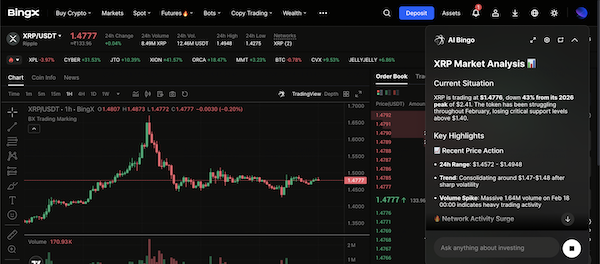
Para handlowa XRP/USDT na rynku spot napędzana przez wglądy BingX AI
2. Użyj wglądów BingX AI do analizy historycznych trendów cenowych, kluczowych poziomów wsparcia i oporu, następnie złóż zlecenie rynkowe lub limit do akumulacji XRP przy preferowanym wejściu.
Handluj futures XRP z dźwignią
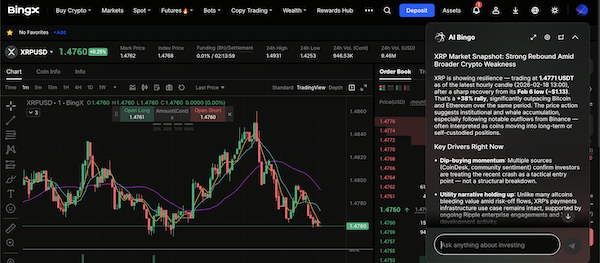
Perpetuały XRP/USDT na rynku futures z wglądami BingX AI
1. Przenieś USDT na swoje konto futures i wybierz kontrakt perpetual XRP/USDT.
2. Wybierz tryb depozytu zabezpieczającego i dźwignię, następnie zastosuj automatyczne narzędzia stop-loss i take-profit, wzmocnione przez analitykę ryzyka BingX AI, do zarządzania spadkiem podczas handlowania krótkoterminowymi ruchami cenowymi XRP.
Handluj futures XRP z dźwignią
3 najważniejsze kwestie przed inwestowaniem w projekty XRPL
Przed inwestowaniem w projekty oparte na XRPL, ważne jest zrozumienie unikalnych czynników technicznych, regulacyjnych i ekosystemowych, które wpływają na ich wydajność, adopcję i długoterminowy profil ryzyka.
1. Rezerwy konta: XRPL wymaga rezerwę bazową 10 XRP do aktywacji nowego portfela i 2 XRP za każdą dodaną Trust Line.
2. Zmiany regulacyjne: 2026 rok pozostaje rokiem ewolucji globalnych standardów dla aktywów tokenizowanych; zawsze upewnij się, że twój portfel obsługuje flagi zgodności MPT.
3. Wykonanie techniczne: Przyszła wydajność jest uzależniona od pomyślnego wdrożenia aktualizacji konsensusu Alpenglow i stabilności sidechainu EVM.
Końcowe przemyślenia
Na początku 2026 roku XRP Ledger rozwinął się w dojrzałą sieć klasy przedsiębiorstwa wspierającą płatności, aktywa tokenizowane i wschodzące przypadki użycia DeFi. Niezależnie czy priorytetowo traktujesz codzienną efektywność transakcji z BitPay, głęboki dostęp do ekosystemu XRPL przez Xaman, czy maksymalne bezpieczeństwo samodzielnego przechowywania z rozwiązaniami sprzętowymi takimi jak Cypherock X1, wybór odpowiedniego portfela XRP odgrywa kluczową rolę w tym, jak wchodzisz w interakcję z siecią.
Wybór portfela bezpośrednio wpływa na bezpieczeństwo aktywów i użyteczność. Portfele programowe niosą ekspozycję na ryzyko na poziomie urządzenia, podczas gdy portfele sprzętowe wymagają ostrożnego zarządzania kopiami zapasowymi i odzyskiwaniem. Zawsze weryfikuj kompatybilność portfela z XRP Ledger, zabezpieczaj swoje dane odzyskiwania offline i nigdy nie przechowuj więcej XRP niż możesz sobie pozwolić na utratę na jakiejkolwiek pojedynczej platformie.
