

Storing Bitcoin safely remains a top priority for investors as the cryptocurrency ecosystem grows. With billions in digital assets at stake, choosing the right storage method balances security, convenience, and accessibility. Whether you are a beginner buying your first Bitcoin or an experienced holder managing larger positions, understanding the differences between exchange wallets, hot wallets, and cold wallets helps protect your funds from theft and loss.
This article explores the best Bitcoin wallet options, their pros and cons, and best practices. It highlights how platforms like BingX provide secure and transparent exchange wallet solutions alongside traditional self-custody methods.
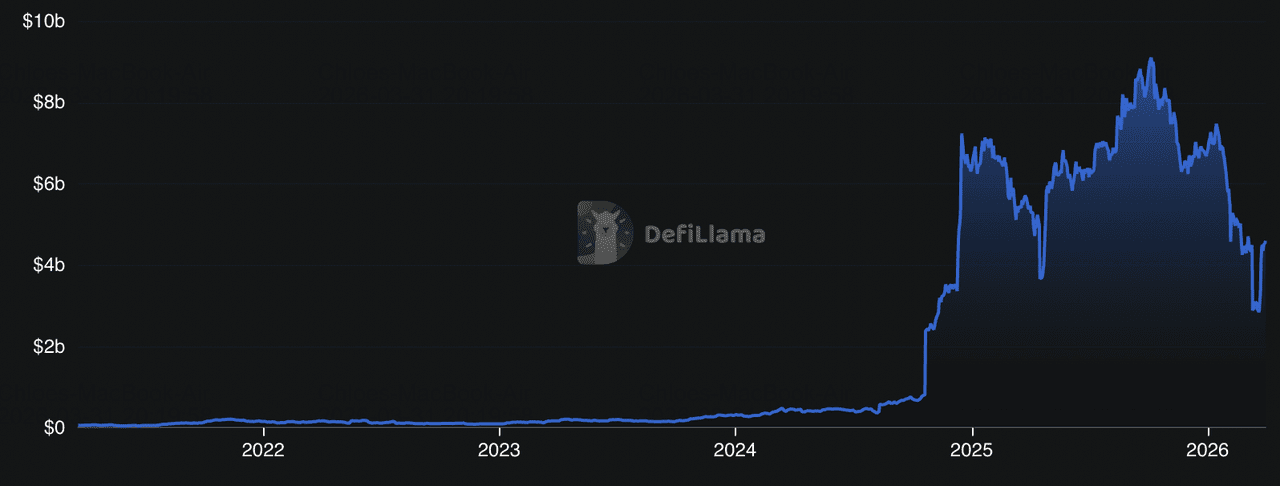
BTC TVL 2026 Source: DefiLlama
Read more: Hot vs. Cold Crypto Wallets: What's the Difference?
Key Takeaways
- A crypto wallet manages private keys that prove ownership of Bitcoin on the blockchain, rather than storing the coins themselves.
- Hot wallets offer convenience for frequent use like Trustwallet and MetaMask but carry higher online risks, while cold wallets like Ledger and Trezor provide stronger offline security for long-term holdings.
- Exchange wallets, such as those on BingX, deliver ease of trading with transparency features including monthly Merkle Tree Proof of Reserves and independent audits.
- Many users benefit from combining options: small amounts in hot or exchange wallets for daily needs and the majority in cold storage.
- Proper seed phrase backups and multi-factor authentication are essential regardless of wallet type.
- BingX stands out for beginners and active traders by offering quick access to Bitcoin storage integrated with spot and futures trading, supported by verifiable reserves.
Read more: MetaMask vs. Trust Wallet: Which Web3 Wallet Is Better in 2026?
What Is a Crypto Wallet and Why Is It the Safest Way to Store Bitcoin?
A cryptocurrency wallet is a tool that stores public and private cryptographic keys. These keys allow users to access and control Bitcoin on the blockchain. Bitcoin itself resides on the decentralized ledger, not inside any wallet or exchange. Private keys act like a digital signature proving ownership. Without them, funds cannot be moved. Wallets therefore serve as the secure interface for sending, receiving, and managing Bitcoin.
Self-custody through wallets gives users direct control, reducing reliance on third parties and mitigating risks associated with centralized failures. ƒIn an era of increasing cyber threats, proper wallet use remains one of the most effective ways to safeguard Bitcoin holdings.
Read more: Connect MetaMask to BNB, Polygon & Supported Blockchains: A Step-by-Step Guide
Hot Wallet vs. Cold Wallet vs. Exchange Wallet
The main distinction among wallet types lies in internet connectivity and custody. Hot wallets stay connected to the internet, enabling fast transactions for everyday use. They suit frequent trading or small transfers but expose keys to potential online threats such as hacking, malware, or phishing.
Cold wallets remain offline by default, connecting only when necessary to sign transactions. This design protects against remote attacks, making them ideal for substantial or long-term holdings. Exchange wallets function as custodial accounts managed by the platform. Users deposit Bitcoin, and the exchange handles private keys while providing trading tools and liquidity. These wallets prioritize convenience and often include built-in security measures.
BingX is one of the best exchange wallets to store your BTC securely. It integrates storage directly with trading features, allowing users to buy, hold, and trade Bitcoin seamlessly on the spot market without immediate need for external setups. The platform demonstrates transparency through regular Merkle Tree Proof of Reserves, where users can independently verify that their assets are fully backed.
Read more: Best Web3 Wallets' List for 2026: An Overview of Top Options
Different Types of Cold Wallets to Store BTC
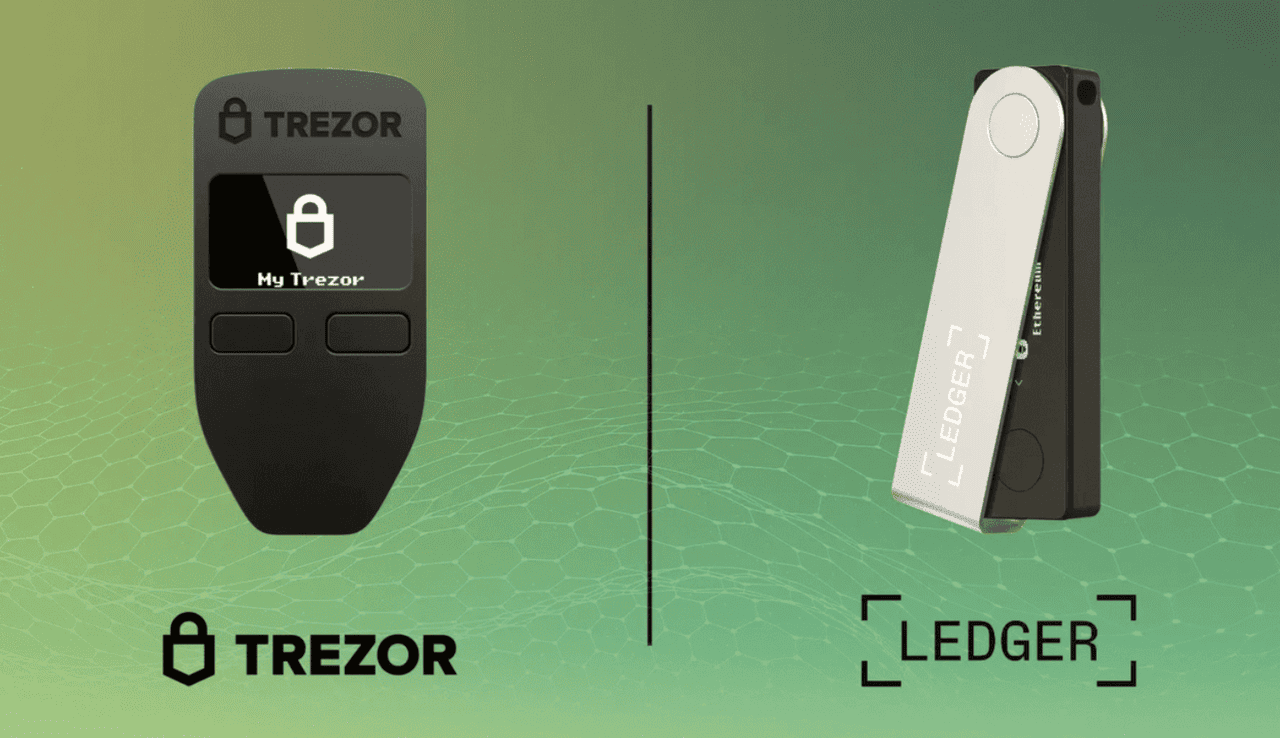
Source: TokenMetrics
Why do long-term investors swear by cold wallets? On the other end of the spectrum are cold wallets, which store your private keys offline. Typically, these come in the form of hardware devices, often resembling a USB drive, that keeps your assets disconnected from the internet. Because they aren't exposed to online threats, cold wallets provide one of the highest levels of protection for your crypto.
Examples of Bitcoin cold wallets include Ledger and Trezor. Because they're disconnected from the internet, they are far less vulnerable to hacks. They're best suited for long-term holders and those storing significant amounts of crypto. According to market research by Mordor Intelligence, hardware wallet adoption is expected to grow at a 24-30% annual rate through 2030, as both retail and institutional investors shift to self-custody. That security comes at the cost of convenience.
To access or move funds from a cold wallet, you need to connect the device to an online computer, transfer assets to a hot wallet, and then complete your transaction. This extra step makes cold wallets less practical for everyday use but far more reliable for long-term storage.
Learn more: What Are the Best Cryptocurrency Hardware Wallets in 2026?
Cold wallets include several formats designed for offline security:
- Hardware wallets: Physical devices resembling USB drives (such as Ledger) or other compact forms (such as Trezor). They generate and store keys offline, connecting briefly for transaction signing.
- Air-gapped devices: Systems that never connect to the internet. Transactions are prepared online, transferred via QR code or USB, signed offline, and broadcast back.
- Paper wallets: Printed private keys and addresses kept entirely offline. These are simple but vulnerable to physical damage or theft.
Custodial cold storage solutions, where qualified providers manage keys under strict protocols, also serve institutional needs.
What Are the Pros and Cons of Using Cold Wallets for Bitcoin?
Cold wallets excel in security by minimizing exposure to online threats. They protect high-value or long-term holdings effectively and support recovery through properly backed-up seed phrases. Drawbacks include higher costs (typically $50 to $1000+ for hardware), slower access requiring extra steps, and risks of physical loss or theft. They demand careful management of backups and are less practical for daily transactions.
Learn more: What Is a Trezor Model One Wallet and How To Set Up Your Trezor?
Types of Hot Wallets for Bitcoin Storage
Hot wallets usually come as free software applications, including mobile apps, desktop programs, or browser extensions. Examples include wallets tailored to specific ecosystems, such as those focused on Bitcoin, Ethereum, or Solana networks.They vary in features, privacy levels, and security standards. Users should evaluate the development team and track record before selecting one. For example, MetaMask and Trust Wallet are two of the most widely used self-custody crypto wallets in the world, with a combined user base of more than 100 million individuals across mobile and browser platforms. As the crypto industry moves through late 2026, users are demanding stronger security, better staking tools, broader blockchain support, and more seamless access to decentralized applications.
The biggest advantage of hot wallets is convenience. They're ideal for frequent transactions, whether that's buying, selling, or transferring tokens. However, their constant online connection introduces a potential security risk. Once your private keys have touched the internet, there's always a chance they could be compromised. This makes hot wallets better suited for holding smaller amounts of crypto rather than your full portfolio.
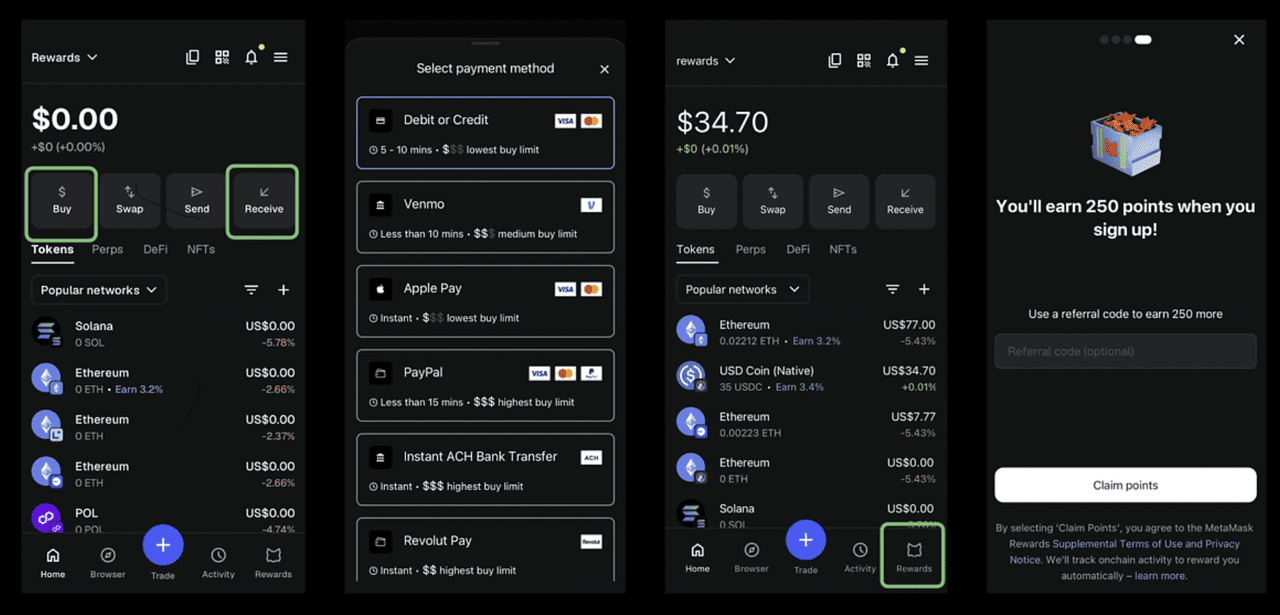
Source: MetaMask via CoinGecko
Pros and Cons of Hot Wallets for Storing Bitcoin
Hot wallets provide speed and ease for frequent trading, small transfers, or interacting with decentralized applications. They require no additional hardware and support quick access. Their constant online connection increases vulnerability to cyberattacks, making them unsuitable for large long-term holdings. Weak passwords or phishing can lead to losses.
Read more: What Is MetaMask and How to Set Up a MetaMask Wallet?
What Are the Pros and Cons of Using Exchange Wallets for Bitcoin?
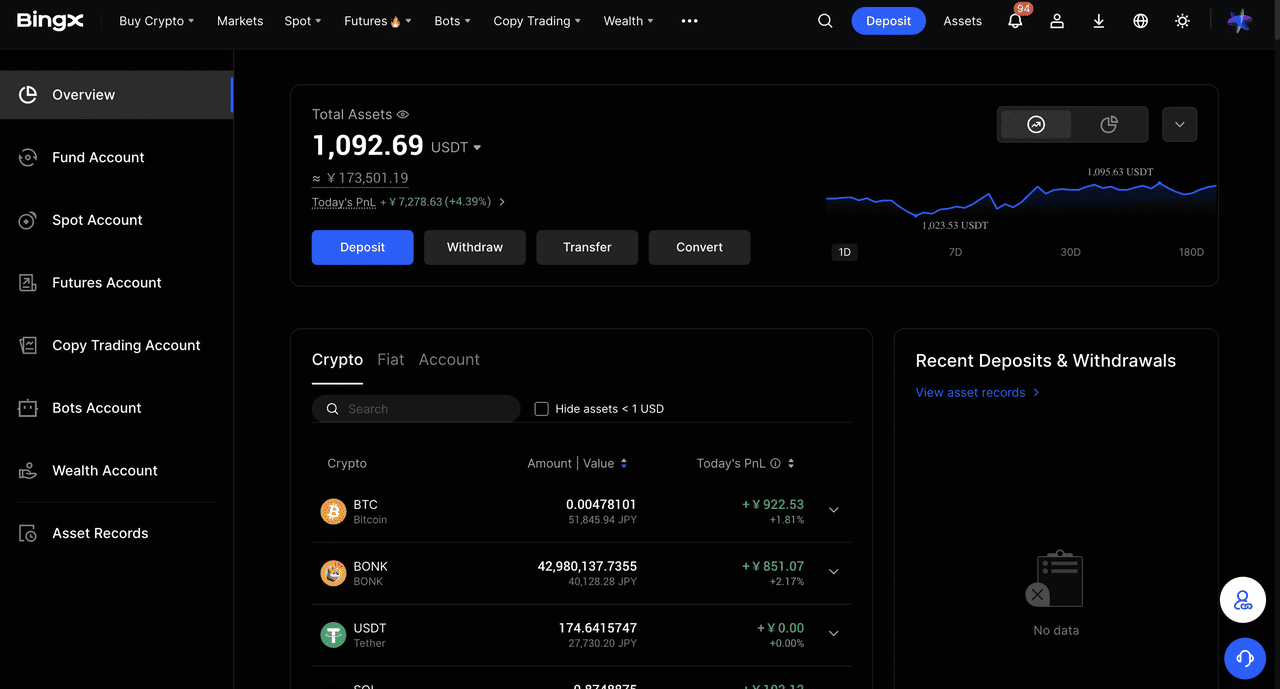
Exchange wallets offer a custodial experience where the platform manages keys on behalf of users. They integrate storage with advanced trading tools, fiat on-ramps, and features such as copy trading or automated bots. Pros include simplicity for beginners, fast execution of trades, customer support, and no need to manage seed phrases initially. BingX enhances this with 100% Proof of Reserves verified through monthly Merkle Tree reports and independent audits, allowing users to confirm asset backing in real time.
Its platform supports spot trading, futures with leverage, and passive earning options, making it practical for active participants. Cons involve reduced personal control over keys and potential platform risks, though transparent reserves and audits help mitigate concerns. Users should avoid keeping large amounts on any exchange for extended periods.
BingX provides a balanced entry point, especially for those starting with Bitcoin purchases on its spot market. Funds appear automatically in the wallet, enabling immediate trading while users learn self-custody options.
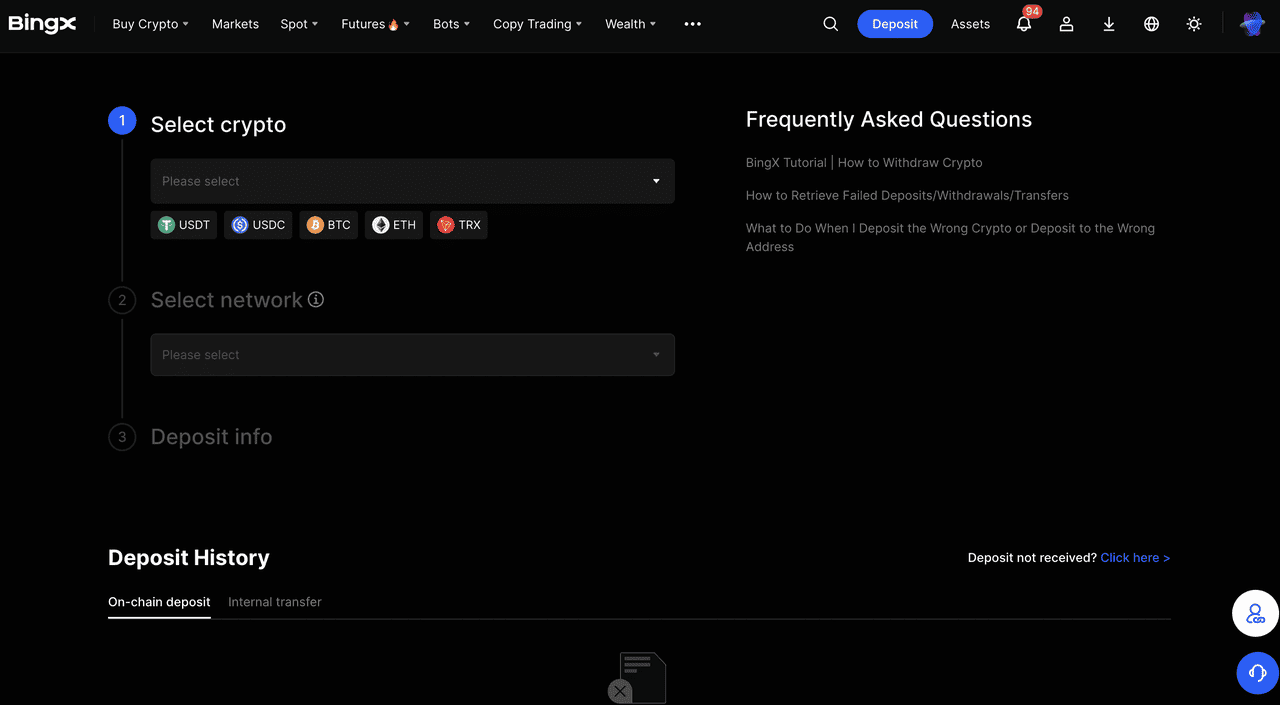
Beyond storage, BingX gives you quick access to trading features, so you can buy, sell, or convert Bitcoin instantly on the spot market. For more advanced users, the futures market lets you trade BTC with leverage and hedge against price swings. You can also automate your strategy with trading bots, which help manage trades 24/7 without constant monitoring. BingX Earn allows you to generate passive income, and Copy Trading lets you follow top traders without handling strategies yourself. This mix of storage, trading, and automation makes the BingX wallet a practical choice for both beginners and experienced traders.
For new investors, the BingX wallet strikes a balance between security and convenience. It's ideal if you're still learning about private wallets and want to focus on buying and using Bitcoin first. Later, as your holdings grow, you can consider moving some BTC into more advanced options like hardware wallets for long-term cold storage.
Read more: Custodial vs. Non-Custodial Wallets: How to Choose the Right Crypto Wallet for You
Best Practices for Storing Your BTC Safely
Follow these universal guidelines to enhance safety across all wallet types:
- Back up your seed phrase securely offline in multiple locations. Treat it as the master key to your funds.
- Enable multi-factor authentication and use multi-signature setups where available.
- Limit amounts on exchanges or hot wallets to what you need for near-term activity.
- Stay vigilant against phishing by verifying URLs and never sharing private information.
- For larger holdings, separate access roles and implement approval processes.
- Regularly test recovery procedures and keep software or firmware updated.
Can You Use Hot, Cold, and Exchange Crypto BTC Wallets Together?
Yes, and combining them is often the most prudent strategy for users with significant assets. A tiered approach works well: maintain a small operational balance in a hot wallet or exchange wallet like BingX for quick trades and liquidity. Store the bulk of holdings in cold storage for maximum protection. This hybrid model delivers flexibility for daily needs while keeping most assets shielded from online risks. Many institutional strategies follow a similar pattern, using hot wallets for liquidity and cold storage for core positions.
Read more: What Is Trust Wallet and How to Set Up a Trust Wallet?
How to Choose the Best Crypto Wallet for You to Store Bitcoin
Selecting the perfect wallet for you depends on your trading frequency, holdings size, risk tolerance, and technical comfort. For beginners or active traders prioritizing convenience and integrated tools, BingX exchange wallet offers a secure starting point. It allows instant Bitcoin purchases and storage with transparent reserves, plus access to market insights and automation features. As holdings grow, users can gradually move portions to self-custody solutions.
For long-term security and self-sovereignty, cold hardware wallets provide the strongest protection against cyber threats. They suit users willing to manage seed phrases and accept slightly slower access. Hot wallets fit occasional transactions or smaller balances. Evaluate each option against your goals: convenience for frequent users or robust offline safeguards for serious holders. BingX serves as an excellent bridge, combining reliable storage with trading capabilities while users explore advanced cold storage if needed.
Read more: What Is the Phantom Web3 Wallet and How to Set It Up?
Conclusion: Cold vs. Hot vs. Exchange Crypto Wallets: Which Is Best For Me?
No single wallet type suits everyone. Cold wallets deliver superior security for long-term, high-value Bitcoin storage by keeping keys offline. Hot wallets provide essential convenience for active use. Exchange wallets like BingX excel in accessibility, transparency, and integrated trading for everyday participants.
The optimal approach often combines them: use BingX or a hot wallet for liquidity and trading needs, while securing the majority in cold storage. This strategy balances risk and usability effectively. Prioritize security fundamentals such as strong backups and awareness of threats.
By selecting methods aligned with your needs and leveraging transparent platforms like BingX, you can store and manage Bitcoin with greater confidence in an evolving digital asset landscape. However, as with all crypto wallets, users should remain cautious. Always safeguard private keys, be aware of phishing attempts, and understand the risks involved in interacting with decentralized applications.