


The artificial intelligence crypto sector reached a market capitalization of approximately $25 billion in June 2026, according to a report by CoinDCX, showing consistent growth since the $17 billion mark recorded in March of the same year. This upward trajectory is no coincidence. As reported by Bitcoin News, roughly $2.87 billion flowed into AI tokens in a single week in June, driven by investors seeking decentralized infrastructure resilient to single points of failure found in centralized providers. For market observers, identifying which projects support this growth with real-world utility—rather than just riding the "AI" narrative—is what separates an informed investment decision from blind speculation.
Quick Take: The top AI cryptocurrencies in 2026 are those powering decentralized compute networks, autonomous agents, or data infrastructure actively used by developers. To invest safely: prioritize tokens with proven utility (not just hype), verify trading volume and liquidity before buying, diversify across different sub-sectors (compute, data, agents), and use a reliable exchange like BingX to track prices, execute orders, and manage risk with integrated AI tools.
What Are AI Cryptocurrencies?
Imagine a computer network where, instead of a centralized database calling all the shots, thousands of machines distributed worldwide share processing power, data, or automated decision-making capabilities—all recorded and incentivized via blockchain. This is the core concept behind AI cryptocurrencies, a sector that has gained significant traction within the broader landscape of AI projects in the crypto market.
These tokens are more than speculative assets. They serve as the utility token powering networks that deliver real services: renting out idle GPU capacity to train machine learning models, indexing blockchain data for rapid application queries, or enabling autonomous agents to transact and execute tasks on a user's behalf without constant human intervention.
The sector is divided into distinct verticals. There are decentralized compute tokens (like Render and Bittensor) focused on GPUs and model training; data and oracle tokens (like Chainlink) that bridge blockchains with real-world data; and autonomous agent tokens (like the Artificial Superintelligence Alliance) designed for economic automation. Understanding these segments is crucial, as comparing two AI tokens head-to-head may not always be an apples-to-apples comparison given the different problems they solve.
Evaluating an AI Token's Potential: Market Cap and Sector Dominance
Before labeling any project as the "top" pick, it is essential to understand the metric professionals use to measure an asset's relative size within the sector: market capitalization, or market cap.
Formula: Market Cap = Current Token Price × Circulating Supply
To look at a practical example using real market data: in mid-2026, Bittensor (TAO) was trading around $280, with approximately 11 million tokens in circulation. This results in:
280 × 11,000,000 = $3.08 billion market cap
This valuation positioned TAO as one of the largest AI cryptocurrencies at the time, ahead of Render and the Artificial Superintelligence Alliance, though still trailing Chainlink, which led the sector with a market capitalization of roughly $9.4 billion. Comparing the market caps of different AI projects before allocating capital offers deeper insights than simply looking at 24-hour price fluctuations, which tend to be highly volatile and less representative of a project's actual network value.
Top AI Cryptocurrencies Ranking for 2026
1. Chainlink (LINK): The Data Infrastructure Powering the Sector
Chainlink holds the leading position in the AI sector by market capitalization, sitting at approximately $9.4 billion according to May 2026 data. While some may view Chainlink purely through a DeFi lens, the project serves as the core oracle layer connecting smart contracts to external data—exactly the type of infrastructure on-chain AI agents require to make decisions based on verifiable, real-world information.
LINK's dominance is backed by an average of over 211 daily developer commits, the highest in the sector, indicating active technical development rather than just speculative narrative driving the asset. You can trade the LINK/USDT pair on the BingX spot market or via perpetual contracts.
2. Bittensor (TAO): The Collaborative Machine Learning Network
Bittensor operates a decentralized blockchain network where participants collaboratively train AI models and are rewarded based on the quality of their computational output. In mid-June 2026, the TAO token traded within the $270 to $280 range, putting its market cap between $3 billion and $3.5 billion, depending on the source and real-time data feeds.
A major catalyst drawing institutional attention was substantial capital inflows early in the year: Nvidia reportedly allocated $420 million into TAO, while Polychain Capital added another $200 million in exposure during Q1 2026, alongside a spot ETF application filed by Grayscale. Because institutional flows can shift rapidly, investment strategies should always rely on real-time market conditions rather than static historical figures.
Bittensor also features a halving mechanism that reduces emissions over time, introducing deflationary pressure that structurally supports valuation if network demand continues to scale.
3. Artificial Superintelligence Alliance (FET): The Autonomous Agent Merger

Formed through the merger of Fetch.ai, SingularityNET, and Ocean Protocol, the Artificial Superintelligence Alliance consolidated three core pillars of the decentralized AI ecosystem into a single token (FET): autonomous agents, AI models, and data. This unification streamlines the investment thesis for those seeking broad sector exposure without needing to bet on competing protocols.
In June 2026, FET traded near the $0.20 to $0.21 mark, with its market cap ranging between $450 million and $525 million. The launch of their Agent Launchpad in May 2026 served as a key fundamental catalyst, allowing developers to deploy autonomous agents capable of coordinating and executing financial actions directly on-chain, pivoting the project from speculative narrative to functional utility.
4. Render (RENDER): Decentralized GPU Compute for AI and Rendering
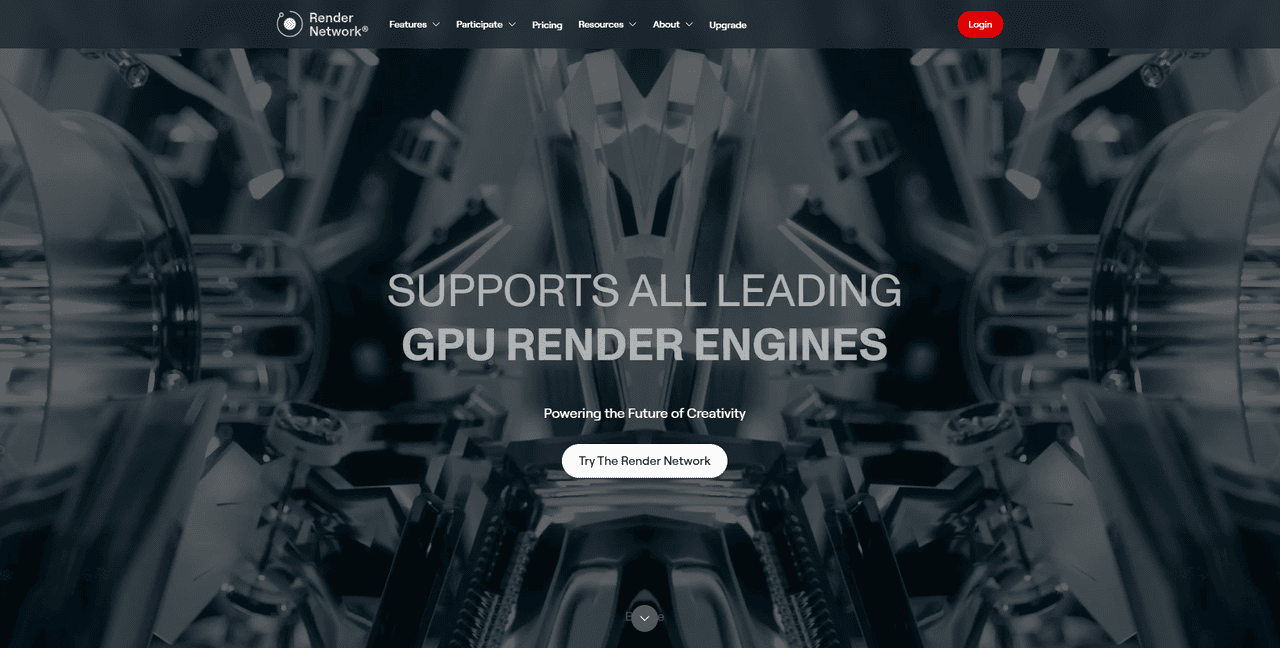
The Render Network connects entities requiring massive graphics processing power—such as VFX studios, 3D artists, and teams training ML models—with providers hosting idle GPU capacity globally. The native token (RENDER, formerly RNDR) is used to compensate hardware providers and settle rendering and compute service fees.
In February 2026, the token consolidated between $1.45 and $1.47, with a market cap between $750 million and $762 million, sitting below its all-time high of $13.60 reached in March 2024. Despite the price consolidation, fundamental network metrics remain robust; Santiment data indicated a sharp increase in on-chain activity in late May 2026, with daily active addresses hitting a 12-week high.
5. NEAR Protocol: The Transactional Layer for Agentic Commerce
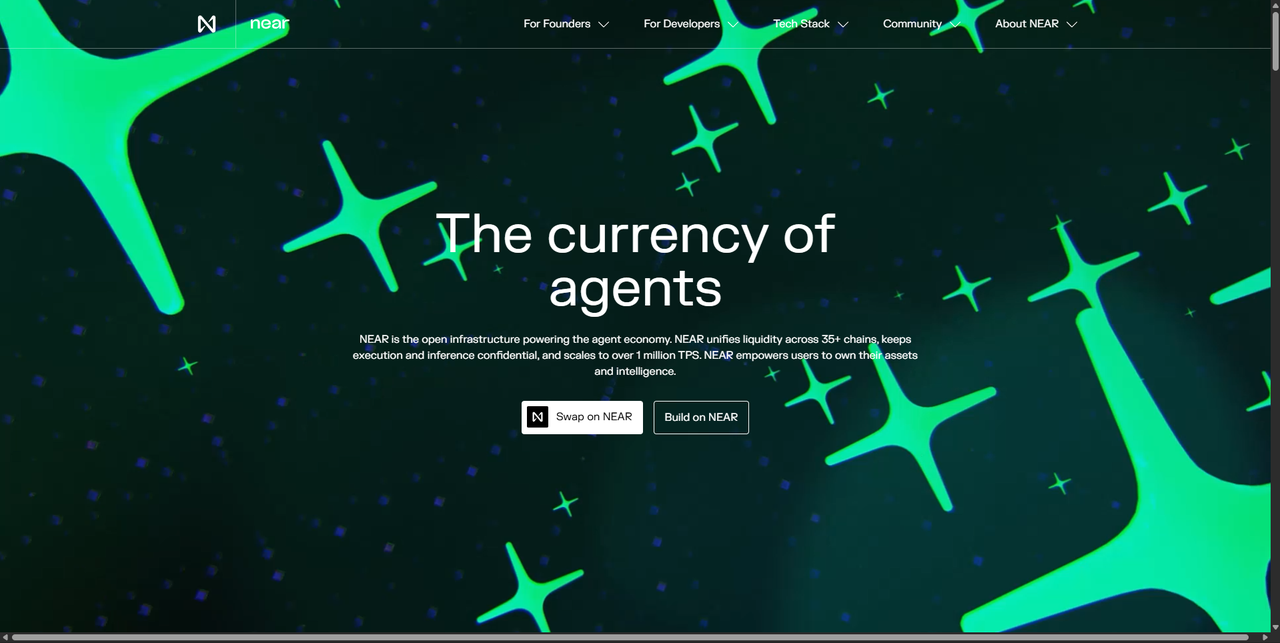
NEAR Protocol has successfully positioned its layer-1 infrastructure to capture "agentic commerce"—an emerging vertical where AI agents do more than process data; they actively transact, trade, and settle economic activity on-chain on behalf of users. In April 2026, the token traded around $1.39, establishing a market cap close to $1.8 billion.
A major ecosystem milestone was the launch of Near.com in February 2026, a consumer-facing super-app that natively integrates AI into the Web3 user experience, broadening NEAR's addressable market beyond core blockchain developers.
CEX vs. DEX: Where to Trade AI Cryptocurrencies Safely
A common question among market newcomers is whether it is better to buy these tokens on a Centralized Exchange (CEX) or a Decentralized Exchange (DEX). Both options present distinct operational tradeoffs.
On a DEX, trading occurs directly peer-to-peer (P2P) between smart contracts without an intermediary holding the assets. This requires users to self-custody their private keys in a Web3 wallet and understand concepts like liquidity pools and slippage. Conversely, trading on a CEX like BingX closely mirrors a traditional brokerage experience: straightforward registration, deposits, and order execution via a centralized order book, backed by customer support and built-in risk management tools.
For market participants looking to gain exposure to tokens like TAO, FET, RENDER, and LINK without navigating the technical complexities of self-custodial wallets, BingX offers spot and futures trading for the sector's leading AI assets. Additionally, features like Copy Trading 2.0 allow users to automatically mirror the positions of elite traders in perpetual futures markets, utilizing isolated sub-accounts with automated leverage and margin mode synchronization.
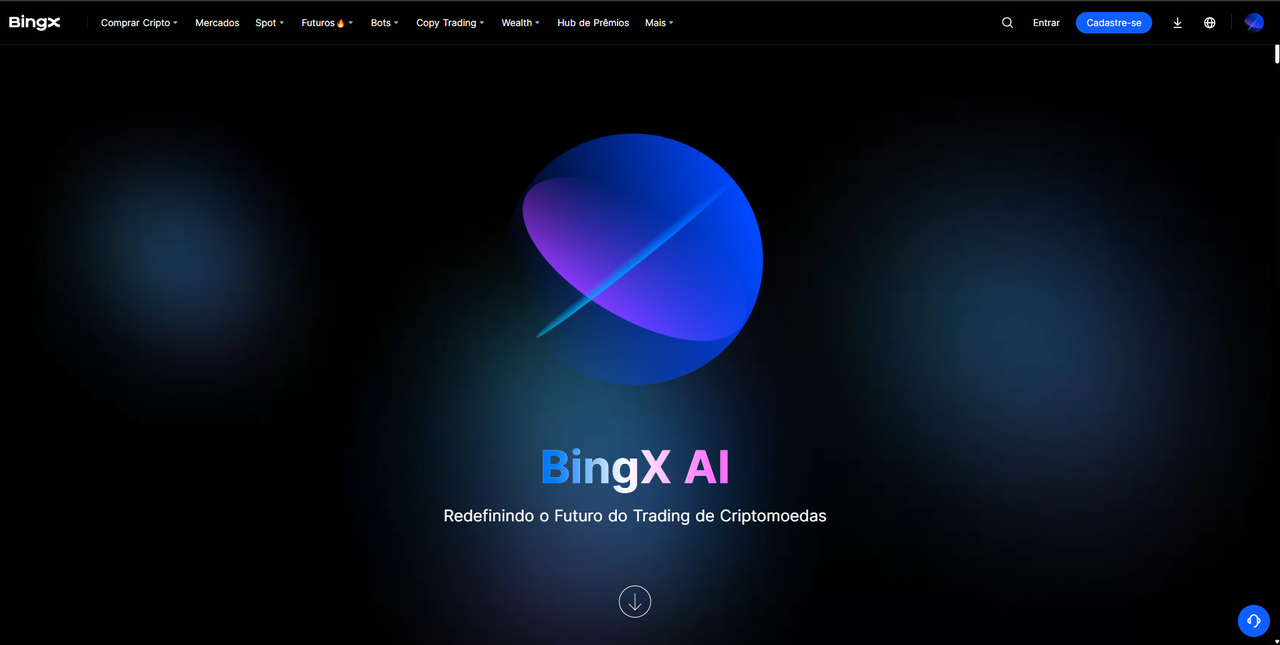
The platform also features BingX AI, an artificial intelligence toolkit that extends far beyond just listing AI tokens. Its 'Recommender' module generates tailored market opportunities based on user trading history, while the 'Protector' module provides real-time alerts regarding over-leveraged positions or sudden market drawdowns. Developed with a $300 million investment over three years, BingX AI surpassed 2 million active users and processed over 20 million queries within its first 100 days of operation.
Sector-Specific Risks of Investing in AI Cryptocurrencies
No analytical breakdown is complete without an objective risk assessment. The decentralized AI sector carries unique vulnerabilities that extend beyond standard crypto market volatility.
The first is narrative dependency. A significant portion of the sector's valuation remains tied to external, off-chain macroeconomic catalysts. For instance, regulatory crackdowns on centralized AI providers frequently trigger a capital rotation into decentralized alternatives, rather than growth being driven by immediate, organic product adoption.
The second is intense competition from Big Tech. Large Language Models (LLMs) running on decentralized networks cannot currently compete on raw compute capability with the centralized infrastructure of major tech conglomerates. Consequently, the investment thesis relies heavily on long-term execution rather than immediate technical parity.
Finally, token dilution and vesting schedules pose a real risk. Several of these protocols, including Bittensor (TAO), still have a substantial portion of their maximum supply locked out of circulation. As these tokens vest and enter the market, the resulting supply inflation can create structural selling pressure, capping upside potential even during periods of network growth. Analyzing a token's circulating supply versus its fully diluted valuation (FDV) is an essential fundamental step that many retail investors overlook. Incorporating rigid risk management principles is imperative in this sector, where speculation often outpaces fundamentals.
Frequently Asked Questions About AI Cryptocurrencies
1. What are the top AI cryptocurrencies to buy in 2026?
The leading AI cryptocurrencies by market capitalization and proven network utility in 2026 include Chainlink (LINK), Bittensor (TAO), NEAR Protocol, Render (RENDER), and the Artificial Superintelligence Alliance (FET). Because each addresses a different vertical within the industry, your choice should align with your specific risk profile and thesis.
2. Is it worth investing in artificial intelligence cryptocurrencies?
It can offer high-upside exposure for investors targetting a rapidly expanding sector, but the risk profile is significantly higher than that of blue-chip assets like Bitcoin and Ethereum. It is advisable to allocate only a minor percentage of a portfolio to these assets and prioritize projects with verifiable, on-chain metrics over pure marketing narratives.
3. What is the difference between an AI token and a standard crypto token?
An AI token's utility is tied directly to a network providing AI services—such as decentralized compute for model training, data indexing for algorithms, or execution rails for autonomous agents. A standard token serves general purposes like payments, gas fees, governance, or store of value without a native connection to machine learning infrastructure.
4. Where can I buy AI cryptocurrencies safely?
Tokens such as TAO, FET, RENDER, and LINK can be traded safely on reputable centralized exchanges like BingX. The platform supports spot and futures trading for top-tier AI assets, alongside risk management features and copy trading tools tailored for all experience levels.
5. Is Bittensor (TAO) still a strong AI crypto project in 2026?
Bittensor sustained its position at the top of the AI crypto market cap rankings through mid-2026, supported by significant institutional capital inflows and its native halving mechanics. However, like all tokens in this niche, its long-term market performance remains dependent on actual developer adoption and broader market trends.
6. What risks are associated with investing in AI crypto projects?
The primary risks include heavy reliance on speculative market hype, stiff competition from more technically advanced centralized AI systems, and token dilution from ongoing emission schedules. Furthermore, their price action tends to exhibit much higher beta and volatility compared to large-cap legacy assets.
Key Takeaways: AI Cryptocurrencies in 2026
- The decentralized AI crypto sector reached an aggregate market capitalization of roughly $25 billion by June 2026.
- Chainlink continues to lead the sector by market cap, followed closely by NEAR Protocol and Bittensor.
- Bittensor (TAO) captured substantial institutional interest in 2026, securing allocations from prominent entities like Nvidia and Polychain Capital.
- The Artificial Superintelligence Alliance unified Fetch.ai, SingularityNET, and Ocean Protocol under a single token ecosystem (FET).
- Render Network successfully scales its marketplace connecting idle GPU supply with rendering and AI training demand.
- Diversifying across different sub-sectors—such as data oracles, compute networks, and agentic platforms—mitigates single-point project risk.
- Centralized exchanges like BingX streamline the onboarding process, providing spot markets, derivatives, automated copy trading, and AI risk guards.
